

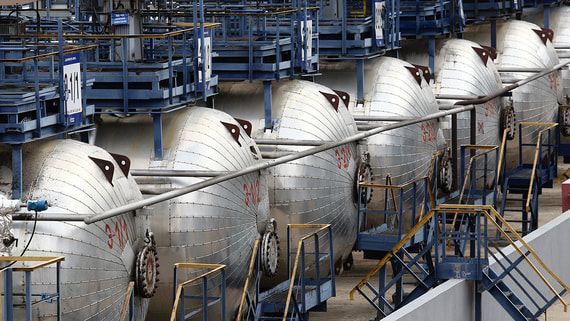
The Central Bank of Russia has released a comprehensive analysis highlighting the significant negative effects that oil refinery shutdowns have had on the country’s economic performance. According to the regulator’s latest assessment, the prolonged downtime at several major petroleum processing facilities has created notable disruptions in industrial output and overall economic growth trajectories. Despite these challenges, the Bank of Russia simultaneously reported an acceleration in business activity during the second quarter of 2024, suggesting a complex and multifaceted economic landscape.
The Russian economy, heavily dependent on its energy sector, has faced mounting pressure from operational disruptions at key refineries across the country. These facilities, which form the backbone of Russia’s petroleum processing infrastructure, have experienced various technical issues and maintenance requirements that have temporarily reduced their output capacity. The resulting decline in refined petroleum products has rippled through multiple sectors of the economy, affecting everything from transportation costs to manufacturing input prices.
Understanding the Refinery Disruptions
Russia operates one of the world’s largest refinery networks, with a combined processing capacity exceeding 6 million barrels per day under normal operating conditions. The country’s refining infrastructure includes major facilities in regions such as Samara, Bashkortostan, and the Moscow region, each playing a critical role in supplying both domestic markets and export channels. When these facilities experience downtime, whether due to scheduled maintenance, technical failures, or other operational challenges, the effects are felt throughout the entire supply chain. Industry analysts note that even brief interruptions at major refineries can create significant bottlenecks in fuel distribution networks.
The economic implications of refinery shutdowns extend far beyond the immediate petroleum sector. Refined products serve as essential inputs for agriculture, manufacturing, and logistics industries, meaning that supply disruptions can trigger cascading effects across the broader economy. Higher fuel costs translate directly into increased transportation expenses, which in turn affect the pricing of consumer goods and industrial materials. This interconnected nature of the energy sector explains why the Bank of Russia has identified refinery operations as a key factor in its economic monitoring activities.
Second Quarter Business Activity Acceleration
Despite the headwinds created by refinery disruptions, the Central Bank’s report contained encouraging news regarding overall business activity. The regulator noted a marked acceleration in economic momentum during the second quarter, driven by resilient consumer demand and continued adaptation of businesses to changing market conditions. This apparent contradiction between energy sector challenges and broader economic vitality reflects the ongoing structural transformation of the Russian economy as it navigates both domestic and international pressures.
The acceleration in business activity can be attributed to several factors, including increased government spending on infrastructure projects, robust agricultural output, and continued strength in certain manufacturing subsectors. Russian businesses have demonstrated remarkable adaptability in recent years, developing new supply chains and finding alternative markets for their products. The services sector, particularly in major urban centers, has also shown sustained growth, contributing to the overall improvement in economic indicators during the spring months.
Central Bank’s Monitoring and Policy Implications
The Bank of Russia’s detailed attention to refinery operations reflects the institution’s comprehensive approach to monitoring economic conditions. As the country’s primary monetary authority, the Central Bank must balance multiple considerations when formulating interest rate policies and other regulatory measures. The interplay between energy sector performance and broader inflationary pressures presents particular challenges for policymakers seeking to maintain economic stability while supporting sustainable growth.
Looking ahead, the trajectory of Russia’s economic performance will depend significantly on the successful resolution of refinery operational issues and the continuation of positive trends in business activity. Market observers suggest that planned maintenance schedules and infrastructure investments could help stabilize refining output in coming quarters, potentially alleviating some of the negative pressures identified in the Central Bank’s report. The institution’s ongoing monitoring of these dynamics will be crucial for understanding the evolving economic landscape and calibrating appropriate policy responses.
Expert Opinion: The divergence between refinery-related economic drag and accelerating business activity suggests Russia’s economy is developing greater resilience through sectoral diversification. However, the energy sector remains a critical vulnerability, and sustained refinery disruptions could eventually erode the positive momentum in other areas. The coming quarters will be decisive in determining whether Russia can maintain its growth trajectory while addressing infrastructure challenges in its strategically vital petroleum processing industry.