

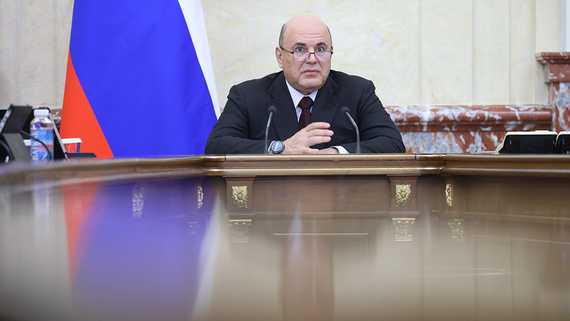
Russian Prime Minister Mikhail Mishustin announced that the country’s nominal gross domestic product has reached approximately 102 trillion rubles, marking a significant milestone for the national economy. According to the prime minister’s statement, the Russian economy demonstrated growth of 0.6 percent during the first half of the year, continuing to expand despite considerable external pressures and challenging economic conditions that have defined recent years.
The announcement comes at a critical juncture for Russia’s economic trajectory, as the nation continues to navigate a complex landscape of international sanctions, shifting trade relationships, and domestic economic adjustments. The nominal GDP figure represents the total market value of all goods and services produced within the country’s borders, calculated at current prices without adjustment for inflation.
Economic Resilience Amid Unprecedented Challenges
The 0.6 percent growth rate, while modest by historical standards, demonstrates a degree of economic resilience that has surprised many international observers. Russia’s economy has faced what many analysts describe as the most comprehensive sanctions regime ever imposed on a major economy, affecting everything from banking and finance to technology imports and energy exports. Despite these obstacles, the country has managed to maintain positive economic momentum through a combination of domestic policy adjustments, new trading partnerships, and structural economic changes.
Russian authorities have implemented numerous measures to stabilize the economy, including capital controls, import substitution programs, and efforts to redirect trade flows toward Asian markets. The central bank has played a crucial role in managing currency volatility and maintaining financial system stability. These interventions appear to have contributed to the economy’s ability to weather external shocks more effectively than initially predicted by many Western economists.
Historical Context and Economic Transformation
To understand the significance of the current GDP figures, it is important to consider Russia’s economic journey over recent decades. Following the collapse of the Soviet Union in 1991, Russia experienced severe economic contraction and hyperinflation throughout the 1990s. The economy began recovering in the early 2000s, benefiting from rising global commodity prices and market-oriented reforms. Russia’s GDP grew substantially during the commodity boom years, transforming the country into one of the world’s largest economies by purchasing power parity.
The 102 trillion ruble nominal GDP figure reflects both real economic activity and the effects of inflation on price levels. Economists note that nominal GDP can be influenced by price changes, making it important to also consider real GDP growth rates when assessing economic performance. The Russian economy has historically been heavily dependent on natural resource exports, particularly oil and natural gas, which account for a significant portion of government revenues and export earnings.
Future Outlook and Economic Prospects
Looking ahead, the Russian economy faces both opportunities and challenges. Government officials have emphasized efforts to diversify the economic base, reduce import dependence, and develop domestic technological capabilities. Investment in infrastructure, digital technologies, and domestic manufacturing has been prioritized as part of longer-term strategic planning. However, questions remain about sustainable growth rates, labor market dynamics, and the long-term effects of reduced access to Western technology and capital markets.
International financial institutions and independent analysts continue to monitor Russia’s economic performance closely, with varying assessments of future prospects. Some experts point to the economy’s demonstrated adaptability, while others highlight structural vulnerabilities that could affect long-term growth potential. The government’s ability to maintain fiscal stability, manage inflation, and support productive investment will likely be key factors determining economic outcomes in the years ahead.
Expert Opinion: The modest but positive growth figure suggests Russia has found ways to mitigate immediate economic pressures, though the long-term sustainability of this trajectory remains uncertain. Economists will be watching closely how domestic consumption, industrial output, and investment patterns evolve in coming quarters, as these indicators will reveal whether current resilience represents genuine economic adaptation or temporary stabilization measures that may lose effectiveness over time.