

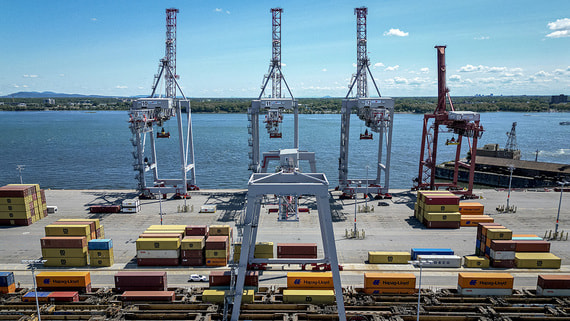
Canada has announced plans to strengthen its economic cooperation with the European Union as the country faces a renewed wave of tariff conflicts with its southern neighbor, the United States. This strategic pivot represents one of the most significant shifts in Canadian trade policy in decades, as Ottawa seeks to reduce its traditional dependency on American markets and diversify its economic partnerships across the Atlantic. The move comes at a critical juncture when transatlantic relations are being reshaped by protectionist policies and geopolitical uncertainties.
The timing of this announcement reflects growing concerns among Canadian policymakers and business leaders about the vulnerability of an economy that has historically sent approximately 75% of its exports to the United States. This overwhelming reliance on a single trading partner has become increasingly problematic as Washington has imposed various tariffs on Canadian goods, including steel, aluminum, and lumber products. Canadian officials argue that building stronger ties with Europe could provide essential economic insurance against future American protectionism.
Historical Context of Canada-EU Trade Relations
The foundation for enhanced Canada-EU trade relations was laid with the Comprehensive Economic and Trade Agreement (CETA), which provisionally entered into force in September 2017. This landmark agreement eliminated tariffs on 98% of goods traded between Canada and the European Union, creating opportunities for Canadian exporters in a market of over 440 million consumers. However, despite the agreement’s potential, bilateral trade volumes have not grown as dramatically as initially projected, with various non-tariff barriers and regulatory differences continuing to pose challenges for businesses on both sides of the Atlantic.
CETA was designed to increase Canada-EU trade by 20% and boost the Canadian economy by approximately $12 billion annually. While progress has been made, particularly in sectors like seafood, machinery, and pharmaceuticals, the full potential of the agreement remains unrealized. European concerns about Canadian agricultural practices, particularly regarding hormone-treated beef and genetically modified organisms, have limited market access for some Canadian producers. Similarly, Canadian businesses have faced challenges navigating the complex regulatory landscape of 27 different EU member states.
Challenges in Redirecting Export Flows
Despite the political will to pivot toward Europe, significant practical challenges stand in the way of rapidly reorienting Canadian exports. Geographic reality presents the most fundamental obstacle: shipping goods across the Atlantic Ocean is considerably more expensive and time-consuming than trucking them across the American border. For time-sensitive products and industries operating on thin margins, these additional logistics costs can be prohibitive. Furthermore, many Canadian supply chains have been optimized over decades to serve American consumers, with production facilities, distribution networks, and even product specifications designed specifically for the US market.
Industry experts note that Canadian energy exports, which constitute a massive portion of the country’s total export value, face particular difficulties in reaching European markets. While liquefied natural gas terminals and pipeline infrastructure could theoretically enable greater energy exports to Europe, the required investments would take years to materialize. European demand for Canadian oil and gas has increased following the continent’s efforts to reduce dependence on Russian energy supplies, but infrastructure constraints on the Canadian side have limited the ability to capitalize on this opportunity.
Strategic Opportunities and Sector Analysis
Despite the challenges, certain Canadian sectors are well-positioned to benefit from enhanced European trade ties. The Canadian technology sector, particularly companies specializing in artificial intelligence, clean technology, and cybersecurity, could find receptive markets in Europe, where digital transformation initiatives are creating demand for innovative solutions. Similarly, Canadian mining companies producing critical minerals essential for electric vehicle batteries and renewable energy systems are attracting significant European interest, as the EU seeks to secure supply chains for its green transition.
Agricultural products also present opportunities, though regulatory harmonization remains necessary. Canadian producers of premium goods such as maple syrup, wild blueberries, and sustainable seafood have established strong reputations in European markets. The organic food sector, in particular, offers growth potential as European consumers increasingly prioritize sustainability and environmental credentials in their purchasing decisions. Trade analysts suggest that focusing on high-value niche products rather than commodity exports could prove more viable given the transportation cost disadvantages.
The Road Ahead for Canadian Trade Policy
As Canada navigates this complex trade landscape, the success of its European pivot will depend on sustained diplomatic engagement, infrastructure investment, and business adaptation. Ottawa has signaled its commitment to addressing regulatory barriers within the CETA framework while exploring opportunities to deepen cooperation in emerging sectors such as hydrogen energy, digital services, and sustainable manufacturing. The Canadian government has also emphasized the importance of aligning with European standards and certification requirements to facilitate smoother market access for Canadian exporters.
The broader implications of Canada’s trade diversification strategy extend beyond economics. By strengthening ties with Europe, Canada reinforces its commitment to rules-based international trade and multilateral cooperation at a time when these principles face challenges globally. Whether this strategic shift can meaningfully reduce Canadian economic vulnerability to American policy decisions remains to be seen, but the effort represents a clear acknowledgment that the days of taking the US-Canada trading relationship for granted may be over.
Expert Opinion: Trade economists suggest that while Canada’s European pivot is strategically sound, achieving meaningful export diversification will require a decade or more of sustained effort and substantial infrastructure investment. The most promising short-term opportunities likely lie in technology services, critical minerals, and specialized agricultural products rather than bulk commodities. Success will ultimately depend on whether Canadian businesses can adapt their operations and products to meet European standards and consumer preferences, rather than simply redirecting existing US-bound goods.