

The economy demonstrated a notable turnaround in the second quarter of the year, with gross domestic product increasing by 1.3% following a decline during the January-March period. This recovery marks a significant shift in economic momentum, suggesting that various policy measures and market forces have begun to take effect after a challenging start to the year. Analysts and economists are now examining the underlying factors that contributed to this positive shift, as well as assessing whether this growth trajectory can be sustained in the coming months.
Consumer Spending and Domestic Demand Lead the Recovery
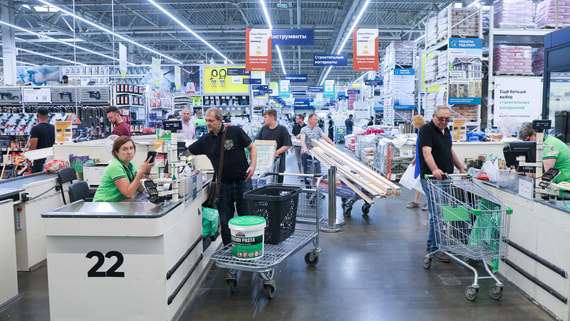
One of the primary drivers behind the second-quarter GDP growth was the resurgence in consumer spending, which accounts for a substantial portion of overall economic activity. After months of cautious household behavior driven by inflationary pressures and economic uncertainty, consumers began increasing their expenditures on both goods and services. The retail sector, in particular, saw improved sales figures as confidence gradually returned to the marketplace. This uptick in domestic demand helped offset weaknesses in other areas of the economy and provided a solid foundation for broader growth.
Additionally, the services sector experienced meaningful expansion during this period. Hospitality, entertainment, and transportation industries all reported increased activity compared to the first quarter. This rebound in services consumption is especially significant given that these sectors were among the hardest hit during previous economic downturns. The combination of pent-up demand and improved consumer sentiment created favorable conditions for businesses operating in these segments.
Industrial Production and Manufacturing Show Signs of Stabilization
Beyond consumer-driven growth, the industrial sector also contributed to the positive GDP figures. Manufacturing output showed signs of stabilization after experiencing volatility in earlier months. Several key industries, including automotive, machinery, and electronics, reported increased production levels as supply chain disruptions gradually eased. Companies were able to fulfill backlogged orders and restore normal operational capacity, which directly translated into economic gains. Government support programs aimed at bolstering domestic production capabilities also played a role in this industrial recovery.
Export activity provided additional support to the overall economic picture. While global trade conditions remain challenging due to geopolitical tensions and shifting international relationships, certain sectors managed to find new markets and expand their foreign sales. Agricultural exports, energy products, and specialized manufactured goods all contributed to export revenues during the quarter. This diversification of trading partners has become increasingly important for maintaining economic stability in the face of changing global dynamics.
Monetary Policy and Investment Climate
The monetary policy environment also influenced second-quarter economic performance. Central bank decisions regarding interest rates and liquidity provisions helped create conditions that supported both business investment and consumer borrowing. While policymakers continue to balance growth objectives against inflation concerns, the overall financial environment during the April-June period proved conducive to economic expansion. Credit availability improved for both corporations and individuals, enabling investment projects and major purchases that might otherwise have been postponed.
Private investment showed modest improvement compared to the first quarter, with businesses demonstrating renewed willingness to commit capital to expansion projects. Construction activity, both residential and commercial, contributed positively to GDP figures. Infrastructure development projects, many backed by government initiatives, also added to economic output. These investments not only provide immediate economic stimulus but also lay the groundwork for future productivity gains and sustained growth potential.
Looking Ahead: Sustainability of Growth
Despite the encouraging second-quarter results, economists caution that maintaining this growth trajectory will require continued attention to structural economic challenges. Labor market conditions, energy costs, and global economic headwinds all represent potential obstacles to sustained expansion. However, the 1.3% growth figure demonstrates that the economy possesses resilience and adaptive capacity in the face of difficulties. Policymakers and business leaders will need to build upon this momentum while addressing underlying vulnerabilities to ensure that the recovery becomes firmly established in the quarters ahead.
Expert Opinion: The second-quarter rebound suggests that the economy has absorbed earlier shocks and is finding its footing, but the recovery remains fragile. Sustained growth will depend heavily on continued consumer confidence and successful navigation of external pressures, particularly in energy markets and international trade. Economists anticipate moderate expansion through year-end, though downside risks warrant close monitoring of monetary policy effectiveness and household spending patterns.