

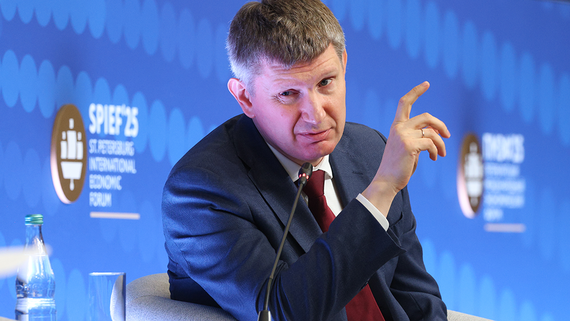
Russia’s economy demonstrated resilience in the second quarter of 2024, with gross domestic product expanding by 1.3% according to official government data. Minister of Economic Development Maxim Reshetnikov highlighted this growth as evidence that the Russian economy has returned to a trajectory of sustainable expansion, marking a significant development amid ongoing international economic pressures and sanctions.
The quarterly GDP growth represents a notable achievement for the Russian government, which has been working to stabilize the economy following the severe disruptions caused by Western sanctions imposed in 2022. Reshetnikov emphasized that this positive trend indicates the effectiveness of import substitution policies and domestic economic restructuring efforts that have been implemented over the past two years.
Economic Adaptation Under Sanctions Pressure
The Russian economy has undergone significant transformation since the imposition of comprehensive Western sanctions. Initially, many economists predicted a severe contraction, with some forecasting GDP declines of 10-15% in 2022. However, the actual performance proved more resilient than expected, with the economy contracting by approximately 2.1% in 2022 before showing signs of recovery in 2023. The current 1.3% quarterly growth suggests continued adaptation to the new economic reality.
Key factors contributing to this economic performance include increased trade with non-Western partners, particularly China, India, and Turkey. Russia has successfully redirected much of its energy exports to Asian markets, while simultaneously developing domestic production capabilities in sectors previously dependent on Western imports. The government has also implemented substantial fiscal stimulus measures, including increased defense spending and infrastructure investments.
Structural Changes and Industry Performance
The composition of Russian economic growth has shifted notably in recent years. The defense and manufacturing sectors have emerged as primary drivers, benefiting from government contracts and import substitution programs. Meanwhile, the energy sector continues to generate substantial revenues, though at reduced price levels compared to the peaks of early 2022. Agricultural production has also remained strong, with Russia maintaining its position as a major global grain exporter.
However, economists note that certain sectors continue to face challenges. The automotive industry, technology sector, and aviation have struggled with limited access to Western components and technology. Consumer spending patterns have also evolved, with Russians increasingly turning to domestic brands and products from partner countries. The ruble’s value, while stabilized through capital controls, remains subject to pressures that affect import costs and living standards.
Future Outlook and Expert Analysis
Looking ahead, Russian economic officials project continued moderate growth, though uncertainties remain regarding global commodity prices, the duration of international sanctions, and domestic labor market constraints. The Central Bank of Russia has maintained relatively high interest rates to combat inflation, which has moderated but remains above target levels. Demographic challenges, including labor shortages in key industries, present additional headwinds for sustained economic expansion.
International financial institutions have offered varied assessments of Russia’s economic trajectory. While acknowledging the economy’s adaptation capabilities, many analysts point to structural vulnerabilities including dependence on hydrocarbon revenues, limited access to advanced technology, and the long-term costs of economic isolation from Western markets. The sustainability of current growth rates will likely depend on Russia’s ability to develop domestic technological capabilities and maintain trade relationships with willing partners.
Expert Opinion: The 1.3% quarterly GDP growth demonstrates Russia’s short-term economic resilience but masks underlying structural challenges that will become more pronounced over time. While import substitution and trade redirection have provided temporary stability, the economy’s long-term competitiveness depends on technological innovation and productivity gains that are increasingly difficult to achieve without access to Western capital markets and technology. Observers should watch for signs of slowing momentum in late 2024 as the effects of high interest rates and labor shortages compound existing structural limitations.