

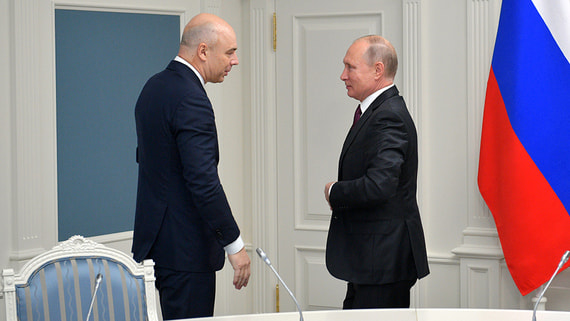
Russian President Vladimir Putin is set to convene a meeting of the Council for Strategic Development, where regional budgets will take center stage in discussions among top government officials. The meeting comes at a critical juncture for Russia’s economic planning, as authorities prepare to present the results of their structural transformation implementation plan. This gathering represents one of the key mechanisms through which the Kremlin coordinates economic policy across Russia’s vast network of federal subjects and ensures alignment between national priorities and regional fiscal realities.
The Strategic Development Council serves as a crucial advisory body that brings together senior government officials, regional leaders, and economic experts to chart Russia’s long-term development trajectory. Established to provide strategic guidance on major policy initiatives, the council has become increasingly important in recent years as Russia navigates complex economic challenges including international sanctions, shifting global trade patterns, and the need to diversify its economy away from heavy dependence on energy exports.
Regional Budget Pressures and Federal Support
Regional budgets across Russia have faced mounting pressures in recent years, with many federal subjects struggling to balance increased social spending obligations against fluctuating revenue streams. The disparities between wealthy resource-rich regions and less developed areas have long posed challenges for Russian fiscal federalism. Moscow has historically employed various mechanisms to address these imbalances, including direct federal transfers, subsidies, and targeted development programs designed to support struggling regions while encouraging economic growth in areas with greater potential.
The discussion of regional budgets at the highest levels reflects growing concerns about fiscal sustainability across Russia’s 89 federal subjects. Many regions have accumulated significant debt burdens, while others have seen their traditional revenue sources diminish due to structural economic changes. The federal government has been working to develop more sophisticated approaches to regional financial management, including performance-based funding mechanisms and incentive structures designed to encourage local governments to pursue more efficient fiscal policies.
Structural Transformation Progress Report
The presentation of structural transformation results marks a significant milestone in Russia’s ongoing efforts to reshape its economy for long-term sustainability. The structural transformation plan, launched in response to evolving global economic conditions, encompasses a wide range of initiatives aimed at modernizing Russian industry, developing new technological capabilities, and creating more resilient supply chains. Officials are expected to detail progress across multiple sectors, highlighting both successes and areas requiring additional attention and resources.
Key elements of the structural transformation agenda include import substitution programs, support for domestic manufacturing, development of the technology sector, and investments in infrastructure connecting Russia’s regions. The plan also addresses human capital development, recognizing that economic modernization requires a workforce equipped with relevant skills for emerging industries. Regional participation in these transformation efforts varies significantly, with some areas emerging as leaders in specific sectors while others continue to rely on traditional economic activities.
Looking Ahead: Policy Implications and Future Directions
The outcomes of this Strategic Development Council meeting are likely to shape budget allocation decisions and policy priorities for the coming fiscal period. Regional governors and federal ministers will be closely watching for signals about shifting priorities and potential changes to intergovernmental fiscal relationships. The meeting also provides an opportunity for regional leaders to advocate for their constituents’ interests and secure commitments for federal support on key development projects. As Russia continues to adapt to changing global circumstances, the coordination mechanisms represented by forums like the Strategic Development Council remain essential tools for maintaining policy coherence across the vast country.
Expert Opinion: The focus on regional budgets at Putin’s Strategic Development Council signals Moscow’s recognition that sustainable economic transformation requires addressing significant fiscal disparities between federal subjects. Analysts expect increased federal intervention in regional finances, potentially including stricter oversight mechanisms alongside additional support packages. The coming months will likely reveal whether the structural transformation plan can deliver meaningful results at the regional level or whether deeper systemic reforms will be necessary.