

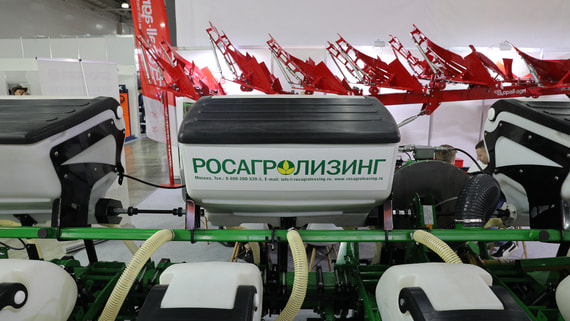
Russia’s leading agricultural leasing company, Rosagrolizing, has announced a significant increase in sales of agricultural machinery, attributing the growth primarily to government-backed preferential lending programs. The state-owned enterprise confirmed its commitment to providing the necessary liquidity for the agricultural sector, signaling continued support for farmers seeking to modernize their equipment fleets amid challenging economic conditions.
The announcement comes at a critical time for Russian agriculture, as the sector faces ongoing pressure from international sanctions, supply chain disruptions, and the need to maintain food security for the nation’s population. Rosagrolizing, which operates as the primary financial instrument for supporting agricultural mechanization in Russia, has been instrumental in helping farmers access modern equipment through favorable leasing terms and reduced interest rates.
Government Support Programs Fuel Equipment Demand
The preferential lending programs that have driven this sales growth are part of a broader government initiative to strengthen the agricultural sector’s self-sufficiency and productivity. These programs typically offer below-market interest rates, extended repayment periods, and reduced down payment requirements, making expensive agricultural equipment more accessible to farms of various sizes. The Russian government has historically prioritized agricultural development, particularly since 2014 when counter-sanctions and import substitution policies placed greater emphasis on domestic food production.
Industry analysts note that the demand for agricultural machinery in Russia has been consistently strong, driven by the need to replace aging Soviet-era equipment and adopt more efficient technologies. Modern combines, tractors, and specialized machinery can significantly improve harvest yields and reduce operational costs, making them attractive investments for agricultural enterprises. The leasing model offered by Rosagrolizing allows farmers to acquire this equipment without the substantial upfront capital investment that outright purchases would require.
Domestic Manufacturing and Import Substitution
The increase in equipment sales also reflects Russia’s ongoing efforts to develop its domestic agricultural machinery manufacturing sector. Following the imposition of Western sanctions, Russian authorities have actively promoted import substitution policies, encouraging the development of domestically produced alternatives to foreign equipment. Companies like Rostselmash, one of the world’s largest manufacturers of agricultural machinery, have expanded production capacity to meet growing demand. This strategy aims to reduce dependence on foreign suppliers while creating jobs and technological expertise within Russia.
However, challenges remain in the sector. Some components and specialized technologies still require imports, and the quality and capability of certain domestically produced machines may not yet match leading international brands. Despite these obstacles, the combination of government support through organizations like Rosagrolizing and protective trade policies has created favorable conditions for both domestic manufacturers and the farmers who purchase their products.
Future Outlook for Agricultural Mechanization
Looking ahead, Rosagrolizing’s commitment to maintaining adequate liquidity for the agricultural sector suggests continued government prioritization of food security and agricultural modernization. The company’s role extends beyond simple equipment financing; it serves as a critical link between state agricultural policy and on-the-ground implementation at the farm level. As climate change introduces new challenges to agricultural production and global food markets remain volatile, the ability to quickly adapt through technological improvements becomes increasingly important.
The success of these preferential lending programs may also serve as a model for supporting other strategic sectors of the Russian economy. By combining state financial backing with targeted industrial policy, authorities can direct investment toward priority areas while minimizing risk for individual enterprises. For Russian farmers, the immediate benefit is clear: access to modern equipment that can improve productivity and profitability in an increasingly competitive global agricultural market.
Expert Opinion: The sustained growth in agricultural equipment sales through preferential lending mechanisms indicates that Russia’s agricultural sector remains resilient despite broader economic pressures. However, long-term success will depend on the continued development of domestic manufacturing capabilities and the sector’s ability to innovate independently. As global agricultural markets evolve, maintaining this momentum in mechanization will be crucial for Russia’s food security strategy and export competitiveness.