

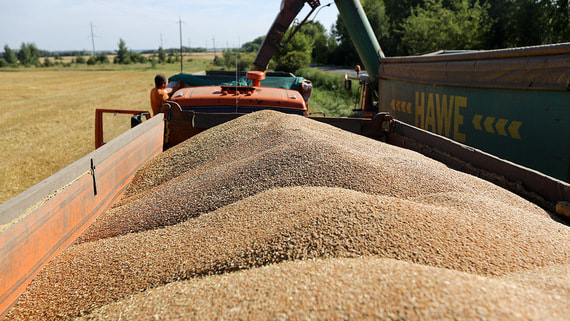
Russian authorities are reportedly developing plans to introduce a moratorium on grain export duties that could remain in effect until the end of 2025, according to sources familiar with the matter cited by Vedomosti, a major Russian business daily. The potential policy shift comes as the country faces significant challenges in transporting agricultural products through its key shipping routes in the Azov-Black Sea basin, which have been severely impacted by ongoing geopolitical tensions and operational disruptions.
The move, if implemented, would represent a substantial change in Russia’s agricultural trade policy and could have far-reaching implications for global grain markets. Russia has consistently ranked among the world’s top wheat exporters, and any adjustment to its export taxation framework tends to ripple through international commodity prices. The current export duty system, which includes a floating duty mechanism tied to global wheat prices, has been criticized by Russian agricultural producers for reducing their competitiveness on the international stage.
Challenges in the Azov-Black Sea Region
The Azov-Black Sea basin has historically served as Russia’s primary corridor for grain exports, handling the vast majority of the country’s agricultural shipments to international markets. However, the region has faced unprecedented disruptions since 2022, with shipping routes becoming increasingly complicated due to security concerns, insurance complications, and logistical bottlenecks. These challenges have forced exporters to seek alternative routes and have driven up transportation costs significantly, eating into profit margins for Russian grain producers.
Port facilities in Novorossiysk, Kavkaz, and other key terminals have experienced periodic operational difficulties, leading to delays and backlogs. The situation has been further complicated by international sanctions affecting certain aspects of maritime trade, although agricultural products themselves remain largely exempt from direct restrictions. Nevertheless, the indirect effects on banking, insurance, and shipping services have created substantial obstacles for Russian grain exporters attempting to maintain their market presence.
Economic Implications and Market Impact
The proposed duty suspension would provide immediate relief to Russian farmers and exporters who have struggled with compressed margins due to the combination of export taxes and elevated logistics costs. Industry analysts suggest that removing or suspending the export duty could make Russian grain more competitive in price-sensitive markets across the Middle East, North Africa, and Asia, where Russia traditionally competes with exporters from the European Union, the United States, and Australia.
Russia’s grain export duty mechanism was introduced in 2021 as part of efforts to stabilize domestic food prices by discouraging excessive exports during periods of high global prices. The floating duty formula adjusts based on benchmark wheat prices, increasing when global prices rise and decreasing when they fall. Critics have argued that the system has penalized producers during favorable market conditions while failing to provide adequate support during downturns. The potential moratorium suggests that policymakers may be reconsidering the balance between domestic price stability and export competitiveness.
Global Market Considerations
Global wheat markets will be watching any Russian policy changes closely. Russia has exported approximately 45 to 50 million metric tons of grain annually in recent years, making it a dominant force in international trade. Any measures that increase Russian export volumes could put downward pressure on global prices, affecting farmers in competing exporting nations while potentially benefiting importing countries facing food security challenges. The timing of the proposed moratorium coincides with ongoing uncertainties about global agricultural production due to climate variability in several major growing regions.
Agricultural economists note that the situation reflects the complex interplay between domestic policy objectives and international market dynamics that characterizes modern grain trade. While Russia seeks to support its agricultural sector through duty relief, it must also navigate the broader geopolitical landscape that has complicated its traditional export channels. The coming months will likely prove decisive in determining whether the moratorium moves forward and how it might reshape regional and global grain trade patterns.
Expert Opinion: The potential elimination of Russian grain export duties signals Moscow’s recognition that current logistics challenges require urgent policy intervention to maintain export volumes. If implemented, this moratorium could accelerate Russian grain shipments in the second half of 2025, potentially applying downward pressure on global wheat prices and reshaping competitive dynamics in key import markets across the Middle East and North Africa.