

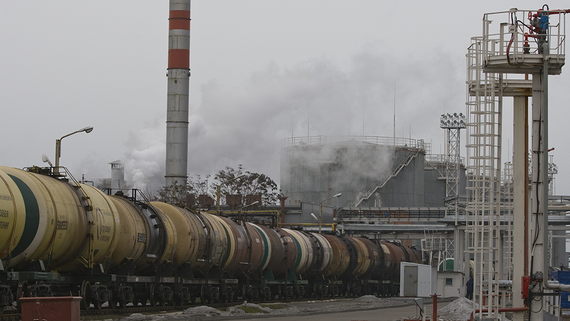
The Russian Ministry of Agriculture has announced it is now accepting applications from agricultural producers seeking subsidies for railway transportation of grain. This initiative comes as part of broader government efforts to support the domestic agricultural sector amid ongoing logistical challenges and fluctuating market conditions. Agricultural enterprises from Crimea and several other regions have already submitted their applications, signaling strong interest in the program designed to offset rising transportation costs that have been squeezing profit margins for farmers across the country.
The subsidy program represents a critical lifeline for grain producers who have been grappling with increased operational expenses. Railway transportation remains the primary method for moving large volumes of grain across Russia’s vast territory, connecting production regions in the south and central parts of the country with export terminals and domestic processing facilities. By reducing the financial burden of these essential logistics, the government aims to maintain the competitiveness of Russian grain in both domestic and international markets.
Background on Russian Agricultural Subsidies
Russia’s agricultural subsidy programs have evolved significantly over the past decade, reflecting the country’s strategic priority of achieving food security and becoming a major global grain exporter. The railway transport subsidy mechanism was introduced several years ago and has since become an integral part of the government’s agricultural support framework. These subsidies typically cover a percentage of transportation costs, making it economically viable for producers in remote regions to access markets that would otherwise be prohibitively expensive to reach.
Historically, Russian agricultural policy has focused on stimulating domestic production while supporting export capabilities. The country has transformed from a net grain importer in the Soviet era to one of the world’s leading wheat exporters. This transformation required substantial investment in both production capacity and logistics infrastructure, with railway subsidies playing a crucial role in connecting productive agricultural zones with key export corridors through Black Sea and Baltic ports.
Regional Participation and Economic Impact
The early submission of applications from Crimean agricultural producers highlights the particular importance of transport subsidies for regions with geographical disadvantages. Crimea, being a peninsula, faces unique logistical challenges in moving agricultural products to mainland markets. The subsidy program helps level the playing field for these producers, ensuring they can compete effectively despite higher inherent transportation costs. Other participating regions likely include major grain-producing areas such as Krasnodar, Stavropol, and Rostov, which account for a significant portion of Russia’s total grain output.
Industry analysts note that transportation costs can represent a substantial portion of overall production expenses for grain farmers, particularly those located far from major consumption centers or export terminals. When global grain prices fluctuate, these fixed logistics costs become even more significant in determining profitability. The railway subsidy program effectively provides a buffer against market volatility, encouraging continued investment in grain production and helping maintain stable supply chains throughout the agricultural sector.
Future Outlook for Russian Grain Logistics
Looking ahead, the continuation and potential expansion of railway transport subsidies will likely remain a cornerstone of Russian agricultural policy. The government has consistently demonstrated its commitment to supporting the agricultural sector, recognizing its importance for food security, rural employment, and export revenues. As global demand for grain continues to evolve, particularly in light of changing climate patterns affecting production in other major growing regions, Russia’s ability to efficiently move grain from field to market will remain strategically important. The current application window represents an opportunity for agricultural producers to secure financial support that could prove decisive for their operations in the coming season.
Expert Opinion: The railway subsidy program reflects Russia’s strategic approach to maintaining agricultural competitiveness amid global market pressures. With transportation costs representing up to 15-20% of grain production expenses in some regions, these subsidies could determine whether certain agricultural operations remain economically viable. As climate change continues to disrupt traditional growing patterns worldwide, Russia’s investment in efficient grain logistics infrastructure positions the country to capitalize on potential shifts in global agricultural trade flows.