

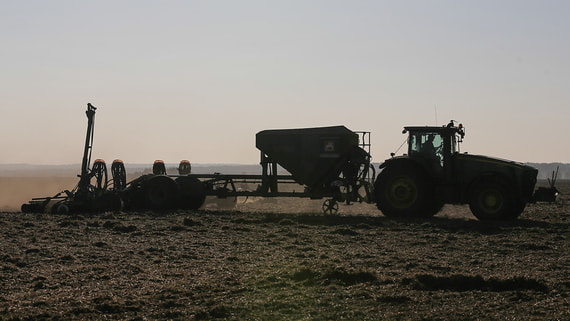
As fuel availability becomes increasingly unpredictable during critical farming seasons, agricultural enterprises across the region are actively exploring alternative energy sources to power their operations. The growing uncertainty surrounding diesel supplies during peak field work periods has prompted farmers and agribusiness managers to consider natural gas as a viable substitute for traditional petroleum-based fuels. This shift represents a significant potential transformation in how modern agriculture approaches its energy needs, with implications that extend far beyond simple cost calculations.
The agricultural sector has long been heavily dependent on diesel fuel, which powers everything from tractors and combines to irrigation pumps and grain dryers. This dependency has left farmers vulnerable to price fluctuations and supply disruptions, particularly during spring planting and autumn harvest seasons when fuel demand peaks across the agricultural industry. Recent market instabilities have only intensified these concerns, pushing farm operators to seek more reliable and potentially cost-effective energy solutions.
The Economics Behind the Fuel Transition
The financial case for transitioning to natural gas has become increasingly compelling for agricultural operations of all sizes. Natural gas prices have historically shown greater stability compared to diesel, which is subject to global oil market volatility, geopolitical tensions, and refinery capacity constraints. For large-scale farming operations that consume hundreds of thousands of liters of diesel annually, even modest price advantages can translate into substantial savings over time. Industry analysts suggest that farms could potentially reduce their fuel costs by 20 to 40 percent by switching to compressed natural gas or liquefied natural gas systems, depending on local market conditions and infrastructure availability.
However, the transition requires significant upfront investment. Converting existing diesel-powered equipment to run on natural gas typically involves installing new fuel systems, storage tanks, and sometimes entirely new engines. For smaller family farms operating on tight margins, these capital expenditures can be prohibitive without government subsidies or favorable financing arrangements. Agricultural cooperatives and larger agribusiness corporations, on the other hand, are better positioned to absorb these initial costs and benefit from economies of scale in their energy procurement strategies.
Technical Challenges and Infrastructure Requirements
The practical implementation of natural gas in agricultural settings presents several technical challenges that require careful consideration. Unlike diesel, which can be stored indefinitely in standard tanks, natural gas requires specialized storage facilities and handling equipment. Compressed natural gas must be maintained under high pressure, while liquefied natural gas requires cryogenic storage at extremely low temperatures. These requirements add complexity to farm operations and necessitate additional safety protocols and staff training.
Infrastructure development remains a critical bottleneck in many rural areas where agricultural activity is concentrated. While urban and suburban regions often have well-developed natural gas distribution networks, remote farming communities may lack access to pipeline infrastructure entirely. This geographic disparity means that some agricultural operations would need to rely on trucked-in gas supplies, which could offset some of the economic advantages. Nevertheless, several energy companies have begun investing in rural gas distribution networks, recognizing the potential market among agricultural customers seeking alternatives to diesel.
Environmental Considerations and Future Outlook
Beyond economics and logistics, environmental considerations are playing an increasingly important role in agricultural energy decisions. Natural gas combustion produces significantly lower emissions of particulate matter, sulfur dioxide, and nitrogen oxides compared to diesel engines. While natural gas is still a fossil fuel that releases carbon dioxide when burned, its overall carbon footprint is generally smaller than that of diesel, making it an attractive transitional fuel for farms seeking to reduce their environmental impact without completely abandoning combustion engines.
Looking ahead, agricultural industry experts predict that the trend toward fuel diversification will accelerate in coming years. Some forward-thinking farm operations are already experimenting with biogas produced from agricultural waste, creating circular energy systems that turn crop residues and animal manure into usable fuel. This approach not only addresses energy security concerns but also provides additional revenue streams and waste management solutions. As technology continues to advance and infrastructure expands, the agricultural sector appears poised for a significant transformation in how it powers the machinery that feeds the world.
Expert Opinion: The agricultural sector’s exploration of natural gas alternatives represents a pragmatic response to fuel market volatility rather than a complete abandonment of diesel. We anticipate a hybrid approach emerging over the next decade, where larger operations adopt dual-fuel systems while smaller farms wait for infrastructure improvements and equipment costs to decrease. The farms that successfully navigate this transition will likely gain significant competitive advantages in operational cost management.