

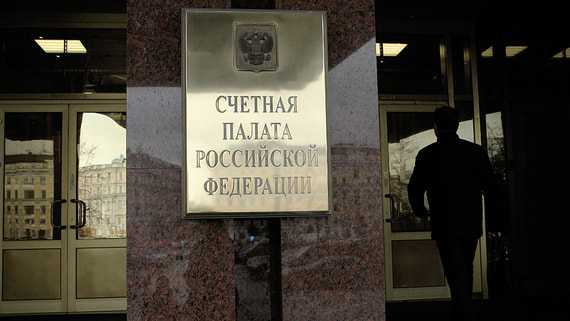
The Accounts Chamber of the Russian Federation has initiated a thorough examination of tax incentives provided to information technology companies, marking a significant step in evaluating the effectiveness of government support measures for the digital sector. Major players in the Russian IT industry have been requested to submit documentation confirming their eligibility for preferential tax treatment, signaling that authorities are taking a closer look at how these benefits are being utilized and whether they are delivering the expected economic returns.
This audit comes at a critical juncture for Russia’s technology sector, which has faced unprecedented challenges following Western sanctions imposed in 2022. The government has been actively promoting domestic IT development through various incentive programs, making it essential to assess whether these costly measures are achieving their intended goals of fostering innovation and retaining talented specialists within the country.
Background of IT Tax Preferences in Russia
Russia introduced substantial tax benefits for IT companies as part of a broader strategy to develop its digital economy and compete with global technology hubs. The preferential tax regime, significantly expanded in 2020 and further enhanced after 2022, includes reduced corporate profit tax rates of just 3 percent compared to the standard 20 percent, as well as lowered social insurance contributions from approximately 30 percent to 7.6 percent. These measures were designed to reduce operational costs for technology firms and encourage investment in research and development.
To qualify for these benefits, companies must meet specific criteria, including generating at least 70 percent of their revenue from IT-related activities such as software development, system integration, and digital services. They must also be officially accredited by the Ministry of Digital Development, Communications, and Mass Media. The accreditation process has undergone several revisions, with authorities periodically tightening requirements to ensure that only legitimate technology companies receive state support.
Scope and Objectives of the Current Audit
The Accounts Chamber’s investigation aims to determine whether the substantial tax revenues foregone through these preferences are generating proportional benefits for the Russian economy. Auditors are examining multiple aspects of the program, including the accuracy of revenue calculations submitted by companies, the legitimacy of accreditation claims, and the actual impact on employment, innovation, and domestic technology development. Industry sources suggest that large corporations with significant IT divisions have received requests for comprehensive documentation packages.
Experts note that such audits are standard practice in public finance management, particularly when substantial budget resources are involved. According to estimates, the IT tax incentive program costs the federal budget billions of rubles annually in foregone revenue. The audit will likely assess whether companies are genuinely investing these savings in development and personnel retention or simply improving their profit margins. The results could influence future policy decisions regarding the continuation or modification of these support measures.
Implications for the Technology Sector
The technology industry is closely watching the audit’s progress, as its conclusions could have far-reaching consequences. Some analysts suggest that the review might lead to stricter accreditation requirements or enhanced monitoring mechanisms to prevent abuse of the preferential regime. Others believe it could result in targeted adjustments to ensure that benefits flow primarily to companies demonstrating tangible contributions to import substitution and technological sovereignty goals.
The audit also reflects broader government concerns about ensuring fiscal responsibility while maintaining support for strategic industries. As Russia continues adapting its economy to sanctions pressure, balancing generous incentives with accountability becomes increasingly important. Companies that have legitimately invested in domestic development and workforce expansion are expected to demonstrate positive outcomes, potentially strengthening the case for continued support, while those unable to justify their preferential status may face closer scrutiny.
Expert Opinion: This audit represents a natural maturation of Russia’s IT support policy, shifting from rapid expansion to careful evaluation. We can expect the government to maintain core tax benefits for genuine technology developers while implementing stronger verification mechanisms. Companies that have used savings for authentic R&D investment will likely emerge stronger, while the review may expose cases where IT accreditation served primarily as a tax optimization tool rather than supporting real technological advancement.