

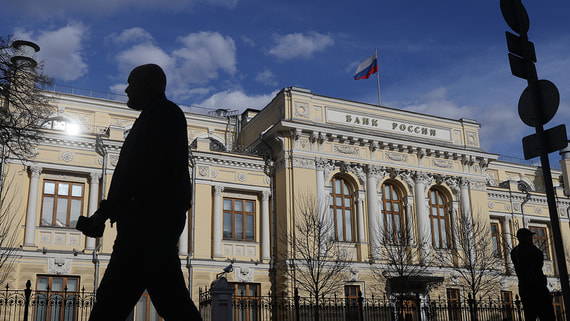
According to the latest consensus forecast compiled by the Russian business newspaper Vedomosti, the Central Bank of Russia is anticipated to maintain its key interest rate at the current level of 14.25% during its upcoming July meeting. Economists and financial analysts surveyed for the forecast suggest that the regulator is likely to adopt a wait-and-see approach, allowing time to assess the evolving impact of several critical economic factors, including the ongoing fuel crisis and the growing federal budget deficit on consumer prices and overall inflation dynamics.
Monetary Policy Considerations and Economic Uncertainty
The decision to potentially hold rates steady reflects the complex economic environment currently facing Russian policymakers. The Central Bank of Russia, led by Governor Elvira Nabiullina, has been navigating an increasingly challenging landscape marked by multiple competing pressures. On one hand, inflationary concerns remain elevated, driven by supply chain disruptions, labor market tightness, and currency fluctuations. On the other hand, maintaining excessively high interest rates for prolonged periods risks dampening economic growth and investment activity at a time when the economy requires stimulus.
The key rate of 14.25% represents a significant tightening from historical norms and reflects the aggressive monetary policy stance adopted by the Central Bank over the past year to combat rising prices. However, many economists now believe that the cumulative effect of previous rate hikes is beginning to filter through the economy, and a pause would allow policymakers to better gauge the transmission mechanism of monetary policy before making further adjustments.
Fuel Crisis and Budget Deficit Pressures
Two particularly significant factors weighing on the Central Bank’s decision-making process are the ongoing fuel crisis and the expanding federal budget deficit. The fuel crisis, which has manifested in periodic shortages and price spikes at gas stations across various Russian regions, has created additional inflationary pressures in the transportation and logistics sectors. These price increases tend to cascade through the broader economy, affecting everything from food prices to manufacturing costs. The government has implemented various measures to address fuel supply issues, including temporary export restrictions on petroleum products, but the situation remains fluid and its ultimate impact on inflation uncertain.
Meanwhile, the federal budget deficit has widened considerably, driven by increased government spending amid ongoing geopolitical challenges and reduced revenue streams. A larger budget deficit typically adds to inflationary pressures as the government increases money circulation in the economy. However, the relationship between fiscal policy and inflation is complex and operates with significant time lags, making it difficult for monetary authorities to calibrate their response precisely. The Central Bank must weigh these fiscal dynamics against its primary mandate of maintaining price stability.
Historical Context and Future Outlook
The Russian Central Bank has a history of taking decisive action when faced with inflationary threats, most notably during the currency crisis of 2014-2015 when it dramatically raised rates to defend the ruble. The current policy stance, while aggressive by normal standards, reflects lessons learned from that period about the importance of acting preemptively against inflation. However, the Bank has also demonstrated a willingness to pause and assess when circumstances warrant, recognizing that monetary policy operates with long and variable lags.
Looking ahead, market participants will be closely watching the Central Bank’s accompanying statement and press conference for signals about the future policy trajectory. If inflation data continues to moderate in the coming months, analysts expect the Bank could begin a gradual easing cycle later in 2025. However, any unexpected shocks to the economy, whether from external factors or domestic developments, could quickly alter this calculus. The consensus among economists is that the Central Bank will maintain its data-dependent approach, prioritizing flexibility over commitment to any predetermined policy path.
Expert Opinion: The Central Bank’s expected decision to hold rates signals a mature approach to monetary policy management, balancing inflation concerns against growth considerations. This pause period will be crucial for assessing whether previous tightening measures have adequately anchored inflation expectations. Markets should anticipate continued volatility as policymakers navigate between competing economic pressures throughout the remainder of 2025.