

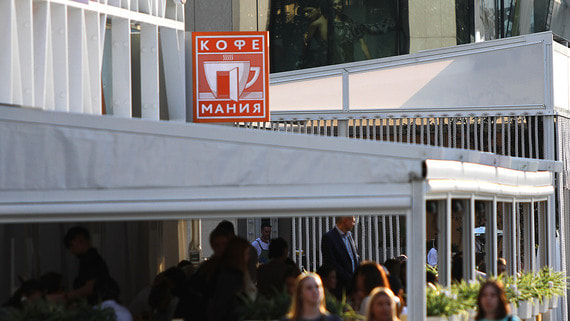
One of Russia’s most prestigious coffee house chains, Coffemania, has shuttered approximately 25 percent of its locations over the past year, marking a significant contraction for a brand that has long been synonymous with upscale dining and coffee culture in Moscow. The closures reflect broader challenges facing the Russian restaurant and hospitality industry, as businesses grapple with rising operational costs, labor shortages, and shifting consumer spending patterns in an increasingly difficult economic environment.
The decision to close a substantial portion of its venues underscores the harsh realities now confronting even well-established players in Russia’s food service sector. Coffemania, known for its premium positioning and clientele that includes business executives, celebrities, and affluent professionals, has been forced to evaluate the performance of each location and eliminate those that no longer generate sufficient returns. Industry experts suggest this strategic retreat is not unique to Coffemania but represents a broader trend across the Russian restaurant industry.
Economic Pressures Reshape Restaurant Industry
The Russian restaurant sector has faced mounting pressures since 2022, with businesses contending with supply chain disruptions, currency volatility, and significant increases in ingredient costs. Labor expenses have surged as competition for qualified staff intensifies, while many establishments have struggled to maintain profit margins amid inflation that has affected everything from coffee beans to kitchen equipment. For premium establishments like Coffemania, which pride themselves on quality ingredients and exceptional service, these cost increases are particularly difficult to pass on to customers without risking a decline in patronage.
Restaurant industry analysts note that the current environment has forced operators to make difficult decisions about their portfolio of locations. Establishments in secondary locations or those with lease terms negotiated during more favorable market conditions have become particularly vulnerable. The mathematics of running a restaurant have fundamentally changed, with some locations that were previously profitable now operating at a loss. This reality has compelled even successful chains to consolidate their operations around their strongest performing venues.
Coffemania’s Legacy and Market Position
Founded in 2001, Coffemania quickly established itself as one of Moscow’s premier coffee and dining destinations, distinguishing itself through a combination of European-style ambiance, extensive menus, and strategic locations in the capital’s most desirable neighborhoods. The chain expanded steadily over two decades, becoming a fixture of Moscow’s business and social scene. Its locations near major business centers, shopping districts, and cultural venues made it a preferred meeting spot for professionals and a symbol of Moscow’s cosmopolitan aspirations.
The brand’s reputation for quality has been built on significant investments in staff training, imported ingredients, and interior design that creates a distinctive atmosphere. However, maintaining these standards has become increasingly challenging as costs have risen across virtually every aspect of restaurant operations. The closure of roughly one-quarter of locations suggests that even premium brands with loyal customer bases are not immune to the fundamental economic pressures reshaping the industry.
Industry Outlook and Adaptation Strategies
Looking ahead, industry observers suggest that the consolidation trend visible in Coffemania’s actions will likely continue across Russia’s restaurant sector. Establishments that survive will need to focus on operational efficiency, menu optimization, and leveraging technology to reduce costs while maintaining quality. Some chains are exploring smaller format locations, reduced menus, and increased takeaway and delivery options as strategies to maintain relevance while controlling expenses. The era of aggressive expansion that characterized the Russian restaurant industry in the 2010s appears to have given way to a more cautious approach focused on sustainable profitability rather than growth at any cost.
Expert Opinion: The contraction of established chains like Coffemania signals a fundamental restructuring of Russia’s premium dining segment that will likely accelerate through 2025. Operators who successfully navigate this period will emerge with leaner, more efficient operations, but the industry should expect continued closures as the market finds a new equilibrium between consumer spending power and operational costs. The survivors will be those who can maintain brand value while dramatically improving unit economics.