

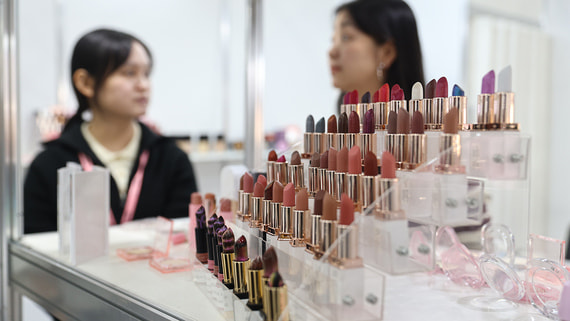
Russia has witnessed a remarkable surge in Asian cosmetics imports, with volumes increasing by more than one-third compared to previous periods. This significant growth reflects a fundamental shift in consumer preferences and market dynamics following the departure of many Western beauty brands from the Russian market. The trend is being driven not only by changing consumer tastes but also by active government support programs in several Asian countries that are facilitating exports to the Russian market.
The dramatic increase in Asian beauty products entering Russia represents one of the most significant transformations in the country’s cosmetics industry in recent years. South Korea, China, and Japan have emerged as the primary beneficiaries of this shift, with their brands rapidly filling the void left by European and American competitors. Industry analysts note that this transition has been remarkably swift, with Asian manufacturers demonstrating exceptional agility in adapting their products and marketing strategies to appeal to Russian consumers.
Government Support Driving Export Growth
A key factor behind the explosive growth in Asian cosmetics exports to Russia has been strategic government intervention in several exporting nations. Countries like South Korea have implemented comprehensive support programs for their cosmetics industries, including export subsidies, favorable trade financing, and assistance with regulatory compliance in foreign markets. These initiatives have made it significantly easier for Asian beauty brands, particularly small and medium-sized enterprises, to enter and compete in the Russian market.
China has similarly invested heavily in supporting its cosmetics manufacturers’ international expansion efforts. The Chinese government has established special economic zones focused on cosmetics production and has streamlined export procedures to reduce bureaucratic obstacles. Japanese authorities have also promoted their country’s beauty industry abroad, emphasizing the high quality standards and innovative formulations that Japanese cosmetics are known for worldwide.
Shifting Consumer Preferences and Market Dynamics
Russian consumers have increasingly embraced Asian beauty products, attracted by their innovative formulations, competitive pricing, and the global reputation of the K-beauty and J-beauty movements. The Korean skincare philosophy, with its emphasis on multi-step routines and natural ingredients, has particularly resonated with Russian consumers who are seeking effective yet gentle skincare solutions. Products such as sheet masks, essences, and BB creams have become staples in many Russian households.
The historical context of this shift is significant. Prior to 2022, the Russian cosmetics market was dominated by European and American brands, which controlled approximately 60-70 percent of the premium segment. However, the departure of major Western players created unprecedented opportunities for Asian manufacturers. Market research indicates that Russian consumers have not simply accepted Asian alternatives out of necessity but have genuinely developed preferences for these products, citing their quality, innovation, and value for money.
Economic Implications and Future Outlook
The surge in Asian cosmetics imports carries significant economic implications for Russia’s beauty industry. Retail chains across the country have rapidly expanded their Asian product offerings, with dedicated K-beauty and J-beauty sections becoming common in major department stores and pharmacies. E-commerce platforms have also reported substantial increases in Asian cosmetics sales, with some reporting growth rates exceeding 50 percent year-over-year.
Industry experts predict that this trend will continue to accelerate in the coming years. The Asian cosmetics market is projected to maintain its strong position in Russia, with potential for further growth as more brands enter the market and distribution networks mature. Some analysts suggest that Asian products could eventually capture up to 40-50 percent of the Russian cosmetics market, fundamentally reshaping the competitive landscape of the industry for years to come.
Expert Opinion: The structural shift toward Asian cosmetics in Russia represents more than a temporary market adjustment—it signals a permanent realignment of global beauty industry trade flows. As Asian manufacturers continue to invest in product localization and build brand loyalty among Russian consumers, Western brands returning to the market in the future may find it significantly more challenging to reclaim their former market positions. This transformation could serve as a template for similar market shifts in other sanctioned or restricted economies worldwide.