

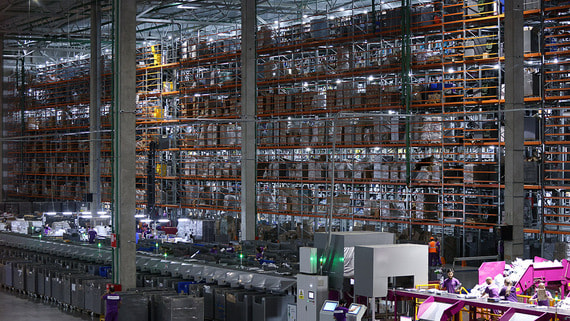
In the rapidly evolving world of e-commerce, marketplace sellers face a unique and often devastating risk: the complete destruction of their inventory stored in third-party warehouses. When fire, flood, or other disasters strike fulfillment centers, sellers can find themselves in an impossible situation — their merchandise reduced to ashes while their financial obligations to suppliers, creditors, and platforms remain fully intact. This harsh reality has forced many entrepreneurs to confront a difficult question: is pursuing years of litigation worth the cost, or does declaring bankruptcy offer a more rational path forward?
The phenomenon has become increasingly common as more businesses adopt the marketplace model, entrusting their inventory to platforms like Amazon, Ozon, Wildberries, and similar fulfillment services. These arrangements offer tremendous convenience and scalability, but they also concentrate risk in ways that traditional retail never did. When a warehouse fire occurs, dozens or even hundreds of sellers can lose everything simultaneously, creating a cascade of financial distress that ripples through supply chains and personal finances alike.
The Legal Labyrinth: Why Courts Offer Little Relief
For sellers whose inventory has been destroyed, the instinctive response is often to pursue legal action against the marketplace or warehouse operator. However, experienced commercial attorneys warn that this path is frequently longer, more expensive, and less certain than victims anticipate. Litigation against major e-commerce platforms typically involves complex contractual provisions, including limitation of liability clauses, mandatory arbitration requirements, and jurisdiction challenges that can drag proceedings out for three to five years or more. During this extended period, creditors continue demanding payment, interest accrues, and personal guarantees may be called in.
The standard marketplace agreement typically caps liability at remarkably low levels, often just the platform fees paid over the preceding months rather than the actual value of destroyed inventory. Proving negligence sufficient to pierce these contractual shields requires substantial expert testimony, forensic investigation, and legal expertise — all of which cost money that cash-strapped sellers may no longer have. Historical precedent shows that even successful plaintiffs often recover only a fraction of their losses after legal fees and years of waiting.
Bankruptcy as Strategic Reset
Financial restructuring experts increasingly advise affected sellers to consider bankruptcy not as a mark of failure, but as a legitimate business tool for managing unmanageable situations. Under most legal systems, bankruptcy provides an automatic stay on collection actions, immediately relieving the pressure of creditor demands. For sole proprietors and small business owners who have personally guaranteed business debts, bankruptcy can offer a fresh start that years of litigation never could. The process typically takes months rather than years, with predictable costs and outcomes that allow entrepreneurs to begin rebuilding their lives and businesses much sooner.
The decision between litigation and bankruptcy often comes down to basic mathematics. If a seller lost inventory worth $100,000 but faces $150,000 in total debts including supplier obligations and platform advances, spending $30,000 on lawyers over four years to potentially recover $50,000 makes little financial sense. Bankruptcy, by contrast, might cost $5,000 to $10,000 and provide immediate debt relief, allowing the individual to redirect their energy and remaining resources toward generating new income. For sellers with diversified assets worth protecting, Chapter 11 reorganization or its equivalents in other jurisdictions may allow them to continue operating while restructuring their obligations.
Lessons for the Future
The warehouse fire scenario has prompted serious discussion about risk management in the marketplace economy. Industry experts recommend that sellers maintain comprehensive inventory insurance separate from any coverage provided by platforms, diversify storage across multiple fulfillment centers, and carefully review liability provisions before committing significant inventory to any single location. Some sellers have begun requiring platforms to carry insurance naming them as additional insureds, though this practice remains uncommon.
The broader lesson extends beyond individual risk management to systemic questions about how modern commerce distributes risk and responsibility. As the marketplace model continues to dominate retail, regulators and lawmakers may need to reconsider frameworks that leave small sellers bearing catastrophic risks while platforms enjoy contractual immunity. Until such changes occur, entrepreneurs must approach these relationships with clear-eyed awareness of worst-case scenarios and appropriate contingency planning.
Expert Opinion: Financial analysts predict that as e-commerce fulfillment continues consolidating into massive warehouse complexes, the frequency and scale of inventory loss events will likely increase. Sellers who treat bankruptcy as a last resort rather than a strategic option often suffer years of financial hardship that could have been avoided. The most successful post-disaster recoveries typically involve quick, decisive financial restructuring followed by a return to business with improved risk management practices.