

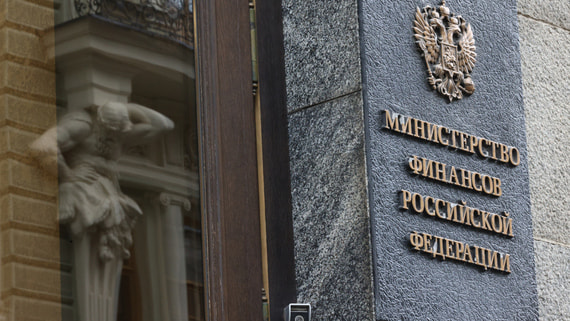
The Russian Ministry of Finance has announced a new package of support measures designed to assist businesses that have suffered damage as a result of unmanned aerial vehicle (UAV) attacks. The proposed measures include tax payment deferrals and other financial relief options aimed at helping affected enterprises maintain operations and recover from infrastructure damage caused by ongoing drone strikes across various regions of the country.
The initiative comes as Russian businesses increasingly face operational disruptions due to the escalating use of drones in the ongoing conflict. Industrial facilities, warehouses, oil refineries, and other commercial infrastructure have been targeted in recent months, creating significant financial burdens for affected companies struggling to maintain normal business operations while simultaneously dealing with repair costs and operational losses.
Details of the Proposed Support Package
According to preliminary reports, the Ministry of Finance’s proposal includes several key provisions designed to provide immediate relief to qualifying businesses. The tax deferral mechanism would allow companies that have documented damage from UAV attacks to postpone their tax obligations without incurring penalties or interest charges. This measure is particularly significant for small and medium-sized enterprises that may lack the financial reserves to simultaneously manage reconstruction costs and meet their regular tax obligations.
The support package specifically targets facilities classified under Russia’s regional development framework, indicating a focus on critical infrastructure and economically significant enterprises. Businesses seeking to utilize these relief measures will likely need to provide documentation proving direct damage from drone attacks, potentially including damage assessment reports, insurance claims, and evidence of operational disruptions.
Economic Context and Regional Impact
The Finance Ministry’s proposal reflects the growing economic impact of drone warfare on Russian commercial activity. Since early 2024, numerous regions across Russia have reported increased UAV activity, with attacks affecting industrial zones, energy infrastructure, and logistics facilities. The cumulative economic damage has prompted calls from business associations and regional governors for federal intervention to help affected enterprises remain solvent.
Economic analysts have noted that without such support measures, many businesses in affected regions could face bankruptcy or be forced to relocate operations to areas perceived as safer. This potential economic migration could have significant long-term consequences for regional economies, particularly in border areas and industrial centers that have experienced repeated attacks. The tax deferral program represents an attempt to mitigate these risks while maintaining economic stability in vulnerable regions.
Implementation Challenges and Future Outlook
While the proposed measures have been welcomed by business groups, implementation details remain to be finalized. Questions persist regarding the verification process for damage claims, the duration of tax deferrals, and whether additional support mechanisms such as low-interest reconstruction loans or insurance subsidies might be included in the final package. Some industry representatives have advocated for broader measures, including direct compensation funds and accelerated depreciation allowances for replacement equipment.
The Ministry of Finance is expected to provide additional details in the coming weeks as the proposal moves through the approval process. If implemented effectively, these measures could serve as a template for future emergency economic response programs, establishing precedents for how the Russian government addresses business losses resulting from security-related incidents. The success of this initiative will likely be measured not only by the number of businesses that utilize the relief programs but also by the broader impact on regional economic stability and business confidence in affected areas.
Expert Opinion: This tax deferral initiative signals Moscow’s recognition that sustained drone attacks are creating systemic economic pressures requiring federal intervention. While the measures may provide short-term relief, the fundamental challenge of protecting business infrastructure from aerial threats remains unresolved. Long-term economic resilience in affected regions will depend not only on financial support mechanisms but also on enhanced air defense capabilities and business continuity planning frameworks.