

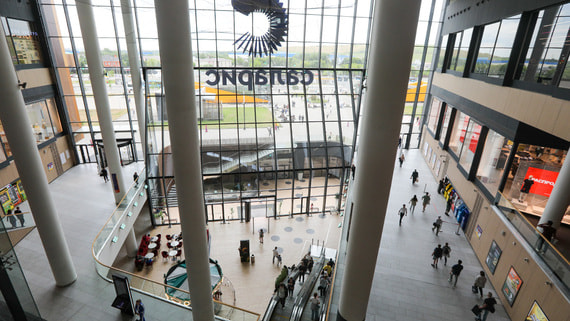
Moscow’s traditional brick-and-mortar shopping centers are witnessing a notable increase in customer foot traffic, marking a significant shift in consumer behavior patterns. This uptick comes as a direct consequence of recent attacks on logistics facilities operated by major online marketplaces, combined with parents beginning their back-to-school shopping preparations earlier than usual this year. The convergence of these factors has created an unexpected renaissance for physical retail spaces that had been struggling to compete with the convenience of e-commerce platforms.
Marketplace Logistics Under Pressure
The Russian e-commerce landscape has faced considerable challenges in recent months, with several logistics hubs belonging to major online marketplaces suffering attacks that have disrupted their operations. These incidents have affected the ability of platforms like Wildberries and Ozon to fulfill orders with their typical speed and reliability. As delivery times have extended and product availability has become less predictable, many consumers have reconsidered their shopping habits and returned to traditional retail environments where they can immediately purchase and take home their desired items.
Industry analysts note that Russia’s e-commerce sector had been experiencing explosive growth over the past several years, with online marketplaces capturing an increasingly large share of retail spending. The sector had grown by approximately 40% annually in recent years, fundamentally reshaping how Russians shop for everything from electronics to clothing to household goods. However, the vulnerability of centralized logistics networks has now been exposed, prompting both consumers and retailers to reassess their dependencies on these platforms.
Back-to-School Shopping Drives Early Traffic
Another significant factor contributing to the increased shopping center traffic is the earlier-than-usual commencement of back-to-school preparations by Russian families. Traditionally, the peak season for school supply and uniform shopping occurs in late August, just before the academic year begins in September. However, this year parents have begun their preparations considerably earlier, citing concerns about potential supply disruptions and a desire to avoid last-minute rushes that might be complicated by ongoing logistics challenges.
The back-to-school market in Russia represents a substantial economic segment, with families typically spending significant portions of their budgets on uniforms, supplies, backpacks, and technology for their children. Department stores and specialized retailers within shopping centers have reported strong sales in these categories, with some locations seeing foot traffic increases of 15-20% compared to the same period last year. Retailers have responded by expanding their back-to-school inventories and launching promotional campaigns earlier in the season.
Implications for Russian Retail Landscape
The current trend raises important questions about the future balance between online and offline retail in Russia. While the immediate surge in shopping center traffic may be partially attributed to temporary disruptions, some industry observers believe it could signal a more lasting shift in consumer preferences. The experience of physically examining products, immediate availability, and the social aspects of in-person shopping are factors that e-commerce cannot fully replicate. Shopping center operators have also invested heavily in creating more engaging experiences, adding entertainment options, dining facilities, and improved services to attract visitors.
However, experts caution against overinterpreting these trends as a permanent reversal of e-commerce growth. Once logistics challenges are resolved and marketplace operations return to normal, many consumers are likely to resume their online shopping habits. The key question for traditional retailers is whether they can capitalize on this window of opportunity to rebuild customer relationships and demonstrate value propositions that extend beyond mere convenience. The coming months will be crucial in determining whether this represents a temporary blip or a meaningful recalibration of Russia’s retail ecosystem.
Expert Opinion: The current shift toward physical retail represents a stress test for Russia’s e-commerce infrastructure rather than a fundamental change in consumer preferences. While shopping centers will benefit in the short term, marketplace operators are likely investing heavily in logistics resilience and redundancy. The long-term winner will be whichever channel can offer the most reliable and convenient shopping experience, suggesting hybrid omnichannel strategies may ultimately prevail.