

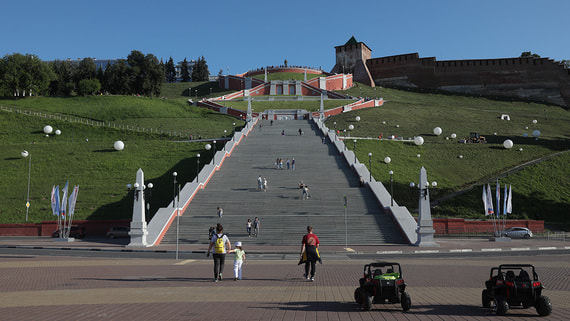
A notable shift is occurring in Russian travel patterns as domestic tourism experiences a decline in 2024. According to recent reports, Russian citizens are increasingly choosing to either cut back on travel expenses entirely or redirect their vacation budgets toward international destinations. This trend marks a significant departure from the domestic tourism boom that characterized the previous few years, raising questions about the economic factors and changing preferences driving this behavioral shift.
The decline in domestic travel comes after a period of unprecedented growth in internal tourism, particularly during 2020-2022 when international travel restrictions due to the COVID-19 pandemic forced Russians to explore their own country. During that time, destinations such as Sochi, Crimea, the Altai Mountains, and Kaliningrad saw record numbers of visitors. However, as borders have reopened and economic pressures have mounted, the landscape appears to be changing once again.
Economic Pressures Driving Travel Cutbacks
Financial considerations appear to be at the heart of this trend. Rising inflation, increased costs of accommodation, and higher transportation prices within Russia have made domestic vacations less affordable for many families. The cost of hotel stays in popular Russian resort areas has increased substantially over the past two years, in some cases outpacing the rise in wages. For budget-conscious travelers, these price hikes have made staying home or reducing the frequency of trips the more practical choice.
Economic analysts point out that disposable income for many Russian households has been squeezed by various factors, including currency fluctuations and overall price increases for consumer goods. When faced with tightening budgets, vacation spending is often among the first categories to be reduced. This pattern is consistent with global trends, where economic uncertainty typically leads to decreased discretionary spending on leisure activities.
The Appeal of International Destinations
Interestingly, while overall domestic travel has declined, a segment of Russian travelers with sufficient financial means has shown a renewed preference for international destinations. Countries such as Turkey, the United Arab Emirates, Thailand, and various Southeast Asian nations have seen increased arrivals from Russia. For some travelers, the combination of competitive pricing, favorable exchange rates, and the appeal of experiencing different cultures has made foreign travel more attractive than domestic options.
Travel industry experts note that all-inclusive resort packages in certain international destinations can sometimes be more cost-effective than comparable domestic vacations, particularly when factoring in the relatively high costs of internal flights within Russia’s vast territory. The country’s enormous size means that flying from Moscow to Vladivostok, for instance, can be more expensive and time-consuming than reaching many foreign destinations.
Impact on the Domestic Tourism Industry
The shift away from domestic travel has significant implications for Russia’s tourism infrastructure and the regional economies that depend on visitor spending. Hotels, restaurants, tour operators, and local attractions in traditional vacation spots are feeling the impact of reduced visitor numbers. Some businesses that expanded during the domestic tourism boom are now facing challenges adjusting to the new reality.
Government officials have previously emphasized the importance of developing domestic tourism as part of broader economic diversification efforts. Various initiatives, including subsidized travel programs and infrastructure investments, have been implemented to encourage Russians to explore their own country. However, the current trends suggest that these efforts may need to be reassessed or expanded to address the changing dynamics of the market.
Looking ahead, industry observers will be watching closely to see whether this decline in domestic travel represents a temporary adjustment or a more lasting shift in Russian vacation preferences. The interplay between economic conditions, international accessibility, and domestic pricing will likely continue to shape these patterns in the coming years.
Expert Opinion: The current decline in Russian domestic tourism reflects a broader recalibration of consumer priorities under economic pressure. As household budgets tighten, discretionary spending on travel becomes increasingly sensitive to value propositions. We anticipate that domestic tourism recovery will depend heavily on the industry’s ability to offer competitive pricing and the government’s willingness to implement targeted subsidies, though a full return to 2021-2022 levels may take several years.