

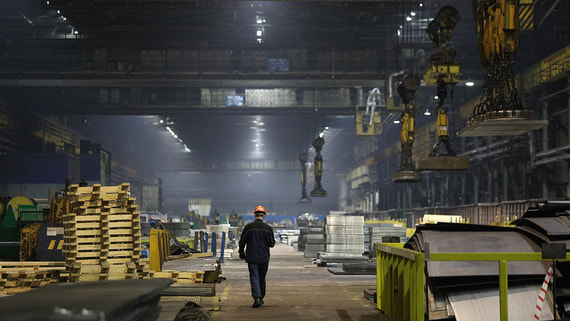
Economic analysts are projecting modest industrial output growth for the third quarter of 2024, as manufacturing companies continue to grapple with persistent challenges in sourcing components from international suppliers. The ongoing supply chain disruptions, which have plagued global manufacturing sectors since the pandemic era, show few signs of abating, creating headwinds for industrial expansion across multiple sectors.
The difficulties in obtaining foreign components have emerged as one of the primary bottlenecks constraining production capacity. Manufacturers across various industries, from automotive to electronics, report extended lead times and increased costs for essential parts that cannot be sourced domestically. This situation has forced many companies to either scale back production targets or seek alternative suppliers, often at premium prices that squeeze profit margins.
Supply Chain Vulnerabilities Exposed
The current supply chain difficulties represent a continuation of trends that began during the COVID-19 pandemic but have been exacerbated by geopolitical tensions and trade restrictions in recent years. Companies that once relied on just-in-time inventory management have found themselves vulnerable to disruptions in the global logistics network. Many industrial enterprises have been forced to maintain larger inventories of critical components, tying up working capital and increasing operational costs. The situation has prompted discussions about reshoring manufacturing capabilities and diversifying supplier bases, though such strategic shifts require significant time and investment to implement effectively.
Sector-Specific Impacts and Adaptation Strategies
Different industrial sectors are experiencing varying degrees of impact from the supply constraints. The automotive industry has been particularly affected, with semiconductor shortages continuing to limit vehicle production capacity. Electronics manufacturers similarly face challenges obtaining specialized chips and components essential for their products. Heavy machinery and equipment producers report difficulties sourcing precision parts and specialized materials. In response, some companies have accelerated efforts to develop domestic supplier networks, while others are investing in vertical integration to reduce dependency on external sources. Government initiatives to support domestic manufacturing have gained momentum, though the benefits of such programs typically materialize over extended timeframes.
Economic Outlook and Expert Perspectives
Despite the challenging environment, economists note that industrial output is still expected to show positive growth, albeit at a subdued pace compared to previous quarters. The resilience of domestic demand provides some support for manufacturers, even as export-oriented industries face additional pressures from currency fluctuations and changing trade dynamics. Analysts suggest that companies with diversified supply chains and strong relationships with multiple suppliers are better positioned to navigate the current landscape. Looking ahead, the trajectory of industrial growth will depend significantly on geopolitical developments and the success of efforts to establish more resilient supply networks. The third quarter results will serve as an important indicator of how effectively the industrial sector is adapting to the new realities of global trade and manufacturing.
Expert Opinion: The persistent supply chain disruptions signal a fundamental restructuring of global manufacturing networks that will extend well beyond the current quarter. Companies that proactively invest in supply chain diversification and domestic sourcing capabilities today will likely emerge with significant competitive advantages in the medium term, while those that delay adaptation may face increasingly severe operational constraints as geopolitical fragmentation continues to reshape international trade patterns.