

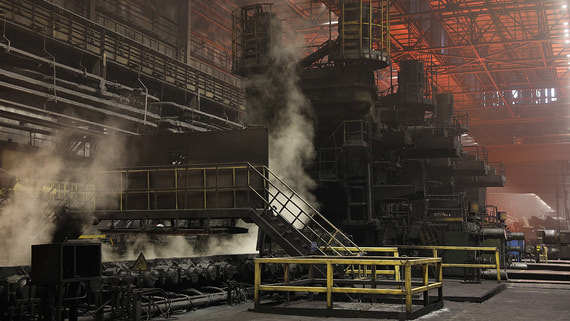
The industrial production index has demonstrated a significant slowdown, recording just 0.4% growth during the first half of the year, according to the latest economic data. This modest increase marks a notable deceleration compared to previous periods and has prompted analysts to examine the underlying factors contributing to this tepid performance. Economic experts are now pointing to a highly uneven distribution of growth across different industrial sectors, with some industries showing resilience while others struggle to maintain momentum in challenging market conditions.
Understanding the Sectoral Disparities
The headline figure of 0.4% growth masks significant variations across different branches of industry. According to analysts who have examined the detailed breakdown, certain sectors such as food processing and pharmaceutical manufacturing have maintained relatively stable output levels, while traditional heavy industries including metallurgy and mechanical engineering have experienced more pronounced contractions. This uneven performance reflects broader structural changes occurring within the industrial economy, as well as the differential impact of various external pressures on specific sectors.
The mining and extraction sector has shown particular volatility, with output fluctuations tied closely to global commodity price movements and shifting demand patterns from major trading partners. Meanwhile, the chemical industry has demonstrated mixed results, with some subsectors benefiting from import substitution opportunities while others face challenges related to supply chain disruptions and increased input costs. Energy-intensive industries have been especially affected by rising utility costs, which have squeezed profit margins and forced some producers to scale back operations.
Historical Context and Comparative Analysis
To properly contextualize the current 0.4% growth rate, it is essential to consider historical trends in industrial production. Over the past decade, annual growth rates have fluctuated considerably, ranging from periods of robust expansion exceeding 3-4% to occasional contractions during economic downturns. The current slowdown follows a period of recovery that began after the most acute phase of recent global disruptions, suggesting that the initial rebound momentum has largely been exhausted. Economists note that such patterns are not unusual in post-crisis recovery cycles, where an initial surge of activity is typically followed by a more gradual normalization phase.
International comparisons reveal that similar patterns are emerging in other major economies, where industrial sectors are grappling with a complex mix of challenges including persistent inflation, elevated interest rates, and ongoing supply chain adjustments. However, the specific composition of industrial output and the degree of export orientation vary significantly between countries, leading to divergent outcomes across different national economies. Some analysts suggest that the relatively modest growth figure may actually represent a reasonably resilient performance given the challenging external environment.
Expert Perspectives and Future Outlook
Industry experts and economic forecasters have offered varied assessments of the implications of this slowdown. Some analysts view the deceleration as a temporary phenomenon, pointing to leading indicators that suggest potential improvement in the second half of the year. They cite factors such as stabilizing input costs, gradual easing of supply chain bottlenecks, and anticipated increases in both domestic and export demand as reasons for cautious optimism. Government stimulus measures and targeted support programs for strategic industries could also provide additional impetus for recovery.
However, other experts take a more cautious view, warning that structural headwinds may persist for an extended period. They highlight concerns about workforce availability, investment constraints, and the need for technological modernization in many industrial facilities. The transition toward more sustainable production methods represents both a challenge and an opportunity, requiring significant capital expenditure but also opening new market possibilities. The uneven nature of the current recovery underscores the importance of differentiated policy approaches that address the specific needs of different industrial sectors while supporting broader economic transformation goals.
Expert Opinion: The 0.4% industrial growth figure signals that the economy has entered a consolidation phase following post-pandemic recovery, with structural transformation becoming the dominant narrative rather than simple output expansion. Looking ahead, sectors that successfully adapt to changing technological requirements and shifting demand patterns will likely outperform, while traditional heavy industries may face continued pressure unless they undertake significant modernization investments. Policymakers should focus on facilitating this transition rather than attempting to artificially sustain growth in declining sectors.