

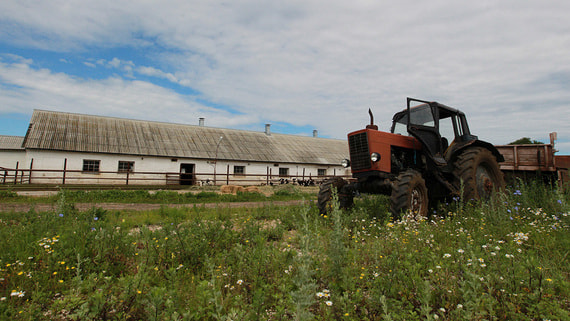
In a significant policy shift that could reshape rural living in Russia, lawmakers are advancing legislation that would permit farmers to construct residential buildings directly on their agricultural properties. This initiative aims to address long-standing housing challenges faced by agricultural workers and potentially revitalize farming communities across the country. While legal experts have largely welcomed the proposal as a practical solution to rural housing shortages, many farmers themselves appear satisfied with existing arrangements, creating an interesting dynamic in the ongoing debate about land use regulations.
Understanding the Legislative Framework
The proposed legislation represents a notable departure from traditional Russian land use policies, which have historically maintained strict separation between agricultural and residential zoning. Under current regulations, farmers often face bureaucratic obstacles when attempting to establish permanent residences near their fields, forcing many to maintain separate homes in nearby villages or towns. This arrangement has long been criticized as inefficient, requiring agricultural workers to commute significant distances and reducing their ability to respond quickly to farm emergencies, monitor livestock, or manage seasonal demands.
Legal professionals analyzing the initiative have expressed cautious optimism about its potential benefits. According to several attorneys specializing in agricultural law, the ability to build residential structures on farmland could significantly reduce operational costs for farmers while improving quality of life for rural families. The legislation would potentially eliminate the need for separate residential property purchases and streamline the administrative processes currently required for establishing farm-based housing.
Historical Context and Rural Development Challenges
Russia has grappled with rural depopulation for decades, as younger generations increasingly migrate to urban centers in search of better economic opportunities and modern amenities. According to demographic studies, rural populations have declined substantially since the Soviet era, leaving many agricultural regions with aging workforces and abandoned settlements. The new housing initiative is seen by some analysts as part of broader government efforts to reverse these trends and encourage agricultural entrepreneurship.
The concept of farmer housing on agricultural land has precedents in various countries worldwide. In the United States, for example, farm residences have traditionally been permitted on agricultural properties, allowing families to live directly on the land they cultivate. Similar policies exist across much of Western Europe, where family farming operations often include multi-generational homesteads. Russian policymakers appear to be drawing lessons from these international models while adapting them to local regulatory frameworks and cultural contexts.
Farmer Perspectives and Practical Considerations
Despite the enthusiasm from legal circles, the response from the farming community itself has been notably measured. Many established farmers report being satisfied with their current living arrangements, having adapted to existing regulations over years or even decades. Some have expressed concerns about potential complications, including questions about property inheritance, mortgage accessibility for agricultural land with residential structures, and long-term implications for land valuation and taxation.
Agricultural economists note that the success of such legislation often depends heavily on implementation details, including construction standards, environmental protections, and infrastructure requirements. Rural areas frequently lack adequate utilities, road access, and emergency services that would be essential for permanent residential communities. Addressing these infrastructural gaps could require substantial public investment beyond simply changing land use regulations. Nevertheless, supporters argue that enabling farm-based housing could attract younger workers to agriculture and help preserve traditional farming knowledge that might otherwise be lost as older generations retire.
Expert Opinion: This legislative initiative represents a pragmatic approach to modernizing Russian agricultural policy, though its ultimate impact will depend on complementary investments in rural infrastructure and careful attention to property rights frameworks. Success will likely be measured not just by the number of homes built, but by whether the policy genuinely supports sustainable farming communities over the long term.