

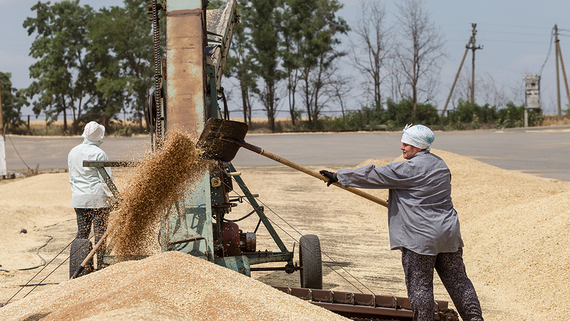
The ongoing geopolitical tensions in the Black Sea and Azov Sea regions continue to cast a long shadow over global grain markets, with experts now assessing alternative shipping routes and the potential for significant price increases on world markets. As two of the world’s largest grain-producing nations face disrupted maritime logistics, the ripple effects are being felt across continents, from African nations dependent on wheat imports to European consumers watching bread prices climb steadily higher.
The Black Sea corridor has historically served as one of the world’s most critical arteries for grain transportation, handling approximately one-third of global wheat exports in normal circumstances. Ukraine and Russia together account for nearly 30 percent of worldwide wheat exports and significant portions of corn and sunflower oil shipments. Any disruption to this vital maritime route immediately reverberates through global commodity markets, affecting food security for hundreds of millions of people in import-dependent nations.
Alternative Routes Under Consideration
With traditional Black Sea shipping lanes facing increased risks and insurance costs, exporters and logistics companies have been forced to explore alternative transportation corridors. The Danube River route through Romania has emerged as a partial solution, with Ukrainian grain being transported by rail and truck to Romanian ports for onward shipment. However, this route has limited capacity compared to Ukraine’s deep-water Black Sea ports and faces its own logistical bottlenecks, including aging infrastructure and border crossing delays that can add days to delivery times.
Rail transport through Poland and the Baltic states represents another alternative, though at significantly higher costs. Industry analysts estimate that overland routes can add between 30 and 50 dollars per ton to transportation expenses, making Ukrainian grain less competitive on international markets. The European Union has worked to facilitate these alternative corridors through its Solidarity Lanes initiative, but capacity constraints remain a persistent challenge. Ports in Gdansk, Constanta, and other Baltic and Black Sea facilities are operating near maximum capacity, creating waiting times that further erode profit margins for exporters.
Global Price Implications and Market Response
The uncertainty surrounding Black Sea shipping has already triggered notable volatility in global grain futures markets. Wheat prices on the Chicago Board of Trade have experienced sharp fluctuations, with traders closely monitoring developments in the region. Food security experts warn that prolonged disruptions could push prices significantly higher, particularly affecting nations in North Africa and the Middle East that rely heavily on Black Sea grain imports. Egypt, the world’s largest wheat importer, sources a substantial portion of its supply from this region, as do Tunisia, Libya, and several other Mediterranean nations.
Historical precedent suggests that major disruptions to grain shipping routes can have lasting effects on global food prices. The 2010-2011 spike in wheat prices, partially attributed to export restrictions and supply concerns, contributed to social unrest in several countries. Agricultural economists note that current global grain stocks are relatively stable, which may help buffer against extreme price shocks, but any extended disruption to Black Sea exports would inevitably tighten supplies and push prices upward. Insurance premiums for vessels operating in the affected waters have already increased substantially, adding another layer of cost that ultimately gets passed on to consumers.
Long-term Outlook and Strategic Considerations
Looking ahead, the situation underscores the need for diversification in global grain supply chains and highlights vulnerabilities in the international food system. Some importing nations are actively seeking to establish new supplier relationships, potentially benefiting producers in countries like Argentina, Australia, and Canada. Meanwhile, investment in alternative infrastructure, including expanded rail capacity and new port facilities, could reshape grain logistics for years to come. Industry observers suggest that regardless of how current tensions resolve, the experience has prompted a fundamental reassessment of supply chain resilience in agricultural commodity markets, with implications that will extend well beyond the immediate crisis.
Expert Opinion: The Black Sea grain corridor disruption represents a structural shift in global agricultural logistics that will persist regardless of diplomatic outcomes. We anticipate that importers will permanently diversify their sourcing strategies, leading to a more fragmented but ultimately more resilient global grain trade network. Prices are likely to remain elevated compared to pre-crisis levels, with a new normal emerging that reflects increased transportation costs and risk premiums built into maritime insurance.