

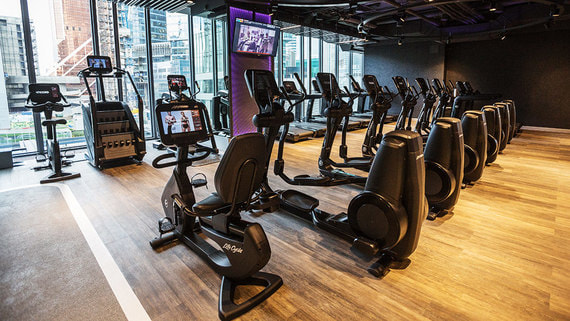
The fitness industry is bracing for significant disruptions as gym operators across the country report increasing difficulties in obtaining electronic exercise equipment. Industry insiders warn that extended delivery timelines and rising costs for sophisticated training machines could lead to equipment shortages at fitness facilities, potentially affecting millions of gym members who rely on these high-tech devices for their workout routines.
The situation has been developing over recent months, with fitness club owners noting that delivery times for electronic treadmills, elliptical trainers, stationary bikes, and other computerized fitness equipment have stretched from the typical 4-6 weeks to several months in some cases. Simultaneously, prices have surged by an estimated 15-30 percent depending on the equipment type and manufacturer, placing additional financial strain on an industry still recovering from pandemic-era closures.
Supply Chain Disruptions and Manufacturing Challenges
The root causes of these supply difficulties are multifaceted and reflect broader global economic trends. Modern electronic fitness equipment relies heavily on semiconductor chips, LCD displays, sensors, and other electronic components that have faced persistent shortages since 2020. These sophisticated machines, which can track heart rates, calories burned, distance traveled, and even connect to fitness apps, require the same microprocessors that are in high demand across automotive, consumer electronics, and technology sectors.
Manufacturing disruptions in key Asian production hubs have compounded the problem. Many leading fitness equipment brands, including major international names that dominate the Russian and global markets, source their products from factories in China, Taiwan, and Southeast Asia. Increased shipping costs, longer transit times through alternative logistics routes, and currency fluctuations have all contributed to the rising expenses that are ultimately passed on to fitness facility operators and their members.
Impact on the Fitness Industry and Consumers
For fitness club owners, the equipment shortage presents a challenging business dilemma. Electronic treadmills and cardio machines are among the most popular and heavily used equipment in any gym, often accounting for a significant portion of member satisfaction and retention. When machines break down or wear out, the inability to quickly replace them can lead to overcrowding on remaining equipment, member complaints, and potentially canceled memberships. Some club operators report they have begun stockpiling spare parts and extending maintenance schedules to prolong the life of existing equipment.
The Russian fitness market, which has grown substantially over the past decade with thousands of clubs serving millions of active members, is particularly vulnerable to these supply disruptions. The industry had been experiencing steady growth before the pandemic, with increasing consumer interest in health and wellness driving demand for premium fitness experiences featuring the latest equipment technology. Now, some smaller independent gyms may struggle to compete with larger chains that have greater purchasing power and inventory reserves.
Adaptation Strategies and Future Outlook
In response to these challenges, many fitness facilities are adapting their offerings and exploring alternative approaches. Some clubs are investing more heavily in functional training areas, free weights, and group exercise classes that don’t rely on electronic equipment. Others are looking at refurbished equipment markets or considering lesser-known manufacturers who may have shorter delivery times, though quality concerns make this a risky proposition.
Industry analysts suggest the situation may gradually improve over the next 12-18 months as global supply chains stabilize and manufacturers increase production capacity. However, prices are unlikely to return to pre-disruption levels, meaning the era of relatively affordable high-tech fitness equipment may be over. For now, gym members may need to exercise patience along with their bodies, as their favorite machines might be harder to come by.
Expert Opinion: The current equipment shortage represents a structural shift in the fitness industry rather than a temporary disruption. Clubs that successfully navigate this period will likely be those that diversify their offerings beyond equipment-dependent cardio and invest in community-building experiences, personal training services, and hybrid fitness models. Long-term, we may see accelerated consolidation in the market as smaller operators unable to absorb higher equipment costs exit the industry.