

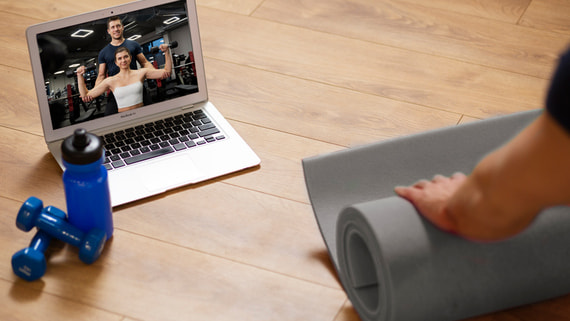
The Russian online fitness market continues its impressive growth trajectory, with consumers projected to spend approximately 5 billion rubles on digital workout services this year. Despite this substantial figure, the segment remains a relatively small player in the broader sports services industry, accounting for less than 2% of the total market. This dynamic reflects both the untapped potential and the ongoing challenges facing virtual fitness platforms as they compete with traditional gym memberships and in-person training sessions.
The Evolution of Digital Fitness in Russia
The online fitness phenomenon gained significant momentum during the COVID-19 pandemic when lockdowns forced gyms to close their doors and millions of Russians sought alternative ways to maintain their physical health. What began as an emergency adaptation has since evolved into a permanent fixture of the country’s fitness landscape. Major fitness chains quickly pivoted to offer streaming classes, while independent trainers built substantial followings on social media platforms and dedicated fitness applications. The convenience factor has proven particularly appealing to busy professionals in major cities like Moscow and St. Petersburg, where commuting to a gym can consume valuable time.
Industry analysts note that the Russian online fitness market has been growing at double-digit rates year over year, outpacing the overall fitness industry’s expansion. Subscription-based models have emerged as the dominant business approach, with platforms offering monthly or annual access to extensive libraries of workout videos, personalized training programs, and nutritional guidance. Some services have incorporated gamification elements and social features to increase user engagement and retention, recognizing that maintaining motivation remains one of the biggest challenges in virtual fitness.
Market Dynamics and Consumer Preferences
The relatively modest market share of online fitness—less than 2% of the total sports services sector—highlights several important factors shaping consumer behavior in Russia. Traditional gym memberships continue to dominate, with many Russians preferring the social atmosphere, professional equipment, and in-person instruction that physical facilities provide. The tactile experience of working out in a dedicated space, combined with the accountability that comes from scheduled classes and personal trainer appointments, remains difficult to replicate in digital environments. Additionally, premium fitness clubs have increasingly invested in high-end amenities including spas, swimming pools, and specialized equipment that cannot be accessed virtually.
However, price sensitivity plays a significant role in driving online fitness adoption. While premium gym memberships in Russian metropolitan areas can cost between 30,000 and 100,000 rubles annually, online fitness subscriptions typically range from 2,000 to 12,000 rubles per year, making them accessible to a broader demographic. This affordability factor has proven especially attractive to younger consumers, students, and those in smaller cities where quality fitness facilities may be limited. The flexibility to work out at any time without geographical constraints has also resonated with remote workers and individuals with irregular schedules.
Future Outlook and Industry Challenges
Looking ahead, industry experts anticipate continued growth in the online fitness segment, though the pace may moderate as post-pandemic normalization continues. The integration of artificial intelligence and machine learning technologies promises to enhance personalization capabilities, with algorithms that can analyze user performance and adjust workout recommendations accordingly. Virtual reality fitness experiences, while still nascent in the Russian market, represent another potential growth avenue as hardware becomes more affordable and content libraries expand. Hybrid models combining digital and physical fitness experiences are also gaining traction, with some gym chains offering online access as a complement to traditional memberships.
The competitive landscape is intensifying as both domestic startups and international platforms vie for Russian consumers’ attention and subscription fees. Content quality and instructor credentials have become key differentiators, with successful platforms investing heavily in production values and partnerships with renowned fitness professionals. Despite the challenges, the trajectory suggests that online fitness will continue claiming a larger share of the overall market, particularly as younger, digitally-native generations enter their prime fitness-spending years and prioritize convenience alongside effectiveness in their wellness routines.
Expert Opinion: The online fitness market in Russia is poised for sustained growth as digital wellness becomes increasingly normalized among consumers across all age groups. While the sub-2% market share may seem modest, it represents a foundation for potentially exponential expansion as technological innovations lower barriers to engagement and hybrid fitness models blur the lines between virtual and physical experiences. By 2030, we could see online fitness capturing 5-7% of the total market, particularly if economic pressures continue making affordable digital alternatives attractive to cost-conscious consumers.