

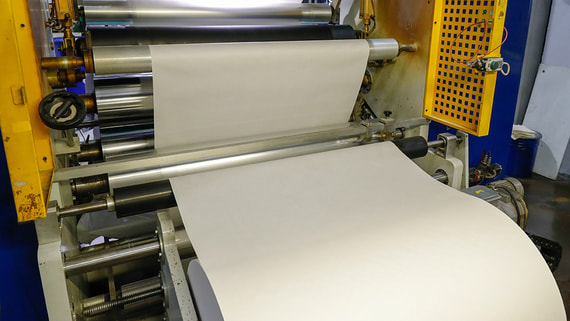
One of Russia’s largest producers of dairy packaging has officially ceased operations, sending ripples through the country’s food processing sector. The shutdown forces numerous dairy companies that relied on this supplier to urgently seek alternative packaging solutions from competing manufacturers, potentially disrupting supply chains and increasing costs across the industry.
The closure marks a significant development in Russia’s packaging industry, which has faced mounting challenges in recent years. Partners and clients of the now-defunct manufacturer must quickly pivot to other suppliers to maintain their production schedules and meet consumer demand for milk, yogurt, cheese, and other dairy products that require specialized packaging materials.
Impact on Russia’s Dairy Sector
The Russian dairy market represents a substantial segment of the country’s food industry, with annual production volumes exceeding 30 million tons of raw milk. Packaging plays a critical role in this ecosystem, as dairy products require specific materials that ensure product safety, extend shelf life, and maintain freshness during transportation and storage. The sudden loss of a major packaging supplier creates immediate logistical challenges for dairy processors who may have depended on long-term contracts and established supply relationships.
Industry analysts suggest that remaining packaging manufacturers will likely experience a surge in demand as displaced customers seek new partnerships. This shift could lead to temporary shortages, longer lead times, and potential price increases as the market adjusts to the reduced supplier base. Smaller dairy producers may face particular difficulties, as they often lack the negotiating power to secure favorable terms with alternative suppliers on short notice.
Broader Context of Manufacturing Challenges
The closure reflects broader trends affecting Russian manufacturing, particularly in sectors dependent on imported equipment, raw materials, and technology. The packaging industry relies heavily on specialized machinery and polymers, many of which have traditionally been sourced from international suppliers. Economic pressures, supply chain disruptions, and shifting market dynamics have created a challenging operating environment for many industrial enterprises throughout the country.
Russia’s food packaging market has historically been dominated by both domestic producers and international companies. The departure of major players from the market, whether domestic or foreign, reshapes competitive dynamics and forces remaining participants to adapt quickly. Some industry observers note that such consolidation could ultimately lead to a more concentrated market structure, with fewer but potentially stronger companies serving the sector’s needs.
Looking Ahead: Industry Adaptation
For dairy companies affected by this shutdown, the immediate priority involves securing reliable packaging supplies to prevent production interruptions. Many are expected to diversify their supplier relationships going forward, reducing dependence on any single manufacturer. The situation also highlights the strategic importance of packaging supply chains, which often receive less attention than primary production processes but prove critical when disruptions occur. As the industry adapts, companies that can quickly establish new partnerships and maintain product quality will be best positioned to weather this transition period.
Expert Opinion: This shutdown signals deeper structural vulnerabilities in Russia’s industrial supply chains that extend beyond the packaging sector alone. Companies across the food industry should view this as a warning to audit their supplier dependencies and develop contingency plans. We may see accelerated efforts toward domestic production capacity expansion in the coming months, though building such infrastructure requires significant time and capital investment.