

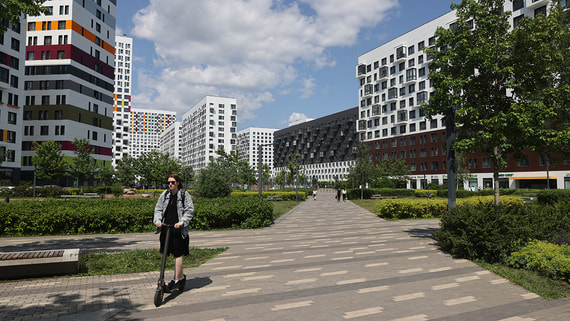
A significant shift is occurring in Russian urban mobility as citizens increasingly embrace electric scooters not merely as recreational devices but as legitimate transportation options for daily commuting. Recent data from major rental services reveals that the average rental duration has decreased to approximately 10 minutes, suggesting that users are employing these vehicles for specific, purposeful trips rather than leisurely rides through city parks. This transformation reflects a broader global trend toward micromobility solutions that promise to reshape how people navigate congested metropolitan areas.
The Evolution of Urban Micromobility in Russia
The electric scooter phenomenon in Russia has undergone remarkable evolution since the first rental services appeared in major cities around 2018-2019. Initially viewed with skepticism by both authorities and the public, these two-wheeled vehicles have gradually earned their place in the urban transportation ecosystem. Moscow, Saint Petersburg, Kazan, and other major metropolitan areas now feature thousands of rental scooters from various operators including Whoosh, Urent, and Yandex. The infrastructure supporting this mode of transport has expanded considerably, with dedicated lanes and parking zones becoming increasingly common in city centers.
The reduction in average rental time to approximately 10 minutes represents a crucial indicator of how user behavior has matured. In the early days of scooter sharing, rentals often lasted 20-30 minutes as curious residents explored this novel form of transportation. Today’s shorter rental periods demonstrate that Russians have integrated these vehicles into their daily routines, using them for last-mile connections between metro stations and workplaces, quick trips to nearby stores, or rapid movements between business meetings. Transportation analysts note that this pattern mirrors developments seen in Western European and Asian cities where micromobility has become firmly established.
Economic and Environmental Implications
The growing popularity of electric scooters carries significant implications for urban economics and environmental sustainability. Industry experts estimate that the Russian e-scooter market has been growing at double-digit rates annually, creating thousands of jobs in maintenance, logistics, and technology development. For consumers, scooters often represent a cost-effective alternative to short taxi rides or personal vehicle use, particularly given rising fuel prices and parking difficulties in dense urban cores. A typical 10-minute scooter rental costs between 100-200 rubles, considerably less than comparable taxi fares for similar distances.
From an environmental perspective, the shift toward electric micromobility aligns with broader sustainability goals that Russian cities have begun to embrace. Each scooter trip that replaces a car journey reduces carbon emissions, decreases traffic congestion, and lessens the demand for parking infrastructure. However, environmental benefits depend significantly on how scooter fleets are managed, including the energy sources used for charging and the lifespan of the vehicles themselves. Leading operators have responded by implementing more sustainable practices, including the use of swappable batteries and improved vehicle durability to extend operational life cycles beyond the initial one or two seasons that characterized early fleet deployments.
Challenges and Regulatory Responses
Despite the clear benefits, the rapid proliferation of electric scooters has not been without controversy. Safety concerns have prompted authorities to implement stricter regulations governing speed limits, permitted riding areas, and user age requirements. In 2023 and 2024, Russian legislators introduced new traffic rules specifically addressing personal mobility devices, establishing maximum speeds of 25 kilometers per hour in most areas and prohibiting riding on certain pedestrian zones. These measures followed a series of accidents involving scooter riders and pedestrians, which generated considerable public debate about balancing innovation with safety.
The industry has generally welcomed reasonable regulation as a path toward legitimacy and long-term sustainability. Major operators have invested in user education programs, improved app-based safety features including speed limiters based on geographic zones, and enhanced insurance coverage for riders and third parties. Looking ahead, experts anticipate continued growth in the Russian micromobility sector, driven by urbanization trends, environmental awareness, and ongoing improvements in vehicle technology including better batteries, more durable designs, and enhanced safety features. The transformation of electric scooters from novelty items to essential urban transport tools appears firmly underway in Russia’s cities.
Expert Opinion: The consolidation of average rental times around 10 minutes signals that Russian micromobility has reached market maturity, transitioning from experimentation to utility-driven adoption. This trend suggests that by 2026-2027, electric scooters could capture 8-12% of all short-distance urban trips in major Russian cities, fundamentally altering public transportation planning and infrastructure investment priorities.