

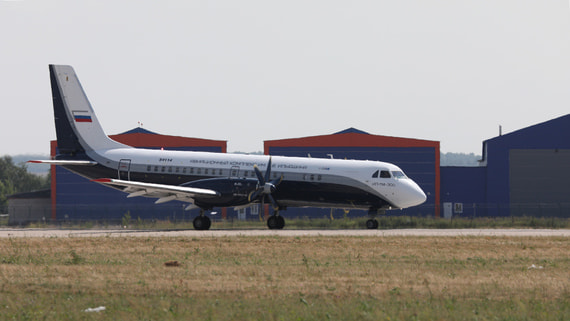
Russia’s aviation industry has reached a significant milestone with the certification of the Il-114-300 regional turboprop aircraft, marking an important step in the country’s efforts to revitalize domestic aircraft manufacturing. The manufacturer has announced that by the time deliveries to customers begin, all current operational restrictions associated with the certification will be lifted, paving the way for full commercial operations. This development represents years of work to modernize a Soviet-era design and adapt it for contemporary aviation requirements.
Understanding the Certification Process and Current Limitations
The certification granted to the Il-114-300 comes with certain operational limitations, which is a common practice in aviation when new aircraft types enter service. These restrictions typically relate to specific flight conditions, operational parameters, or geographical limitations that are gradually removed as the aircraft accumulates flight hours and demonstrates reliable performance in real-world conditions. The manufacturer, part of the United Aircraft Corporation (UAC), has expressed confidence that the systematic testing and operational experience will allow these limitations to be eliminated before commercial deliveries commence. Aviation experts note that such phased certification approaches help ensure safety while allowing manufacturers to move forward with production and crew training programs.
The certification process for modern aircraft is rigorous and involves thousands of test flights, extensive ground testing, and comprehensive documentation review. Russian aviation authorities have been working to ensure that domestic certification standards meet international benchmarks, though the current geopolitical situation has complicated cooperation with Western aviation regulators. The Il-114-300 certification represents one of the most significant achievements for Russian civil aviation in recent years, demonstrating the country’s continued capability to develop and certify complex aerospace products despite international sanctions and supply chain disruptions.
Historical Background: From Soviet Design to Modern Revival
The Il-114-300 is a deeply modernized version of the original Il-114, which was developed by the Ilyushin Design Bureau during the final years of the Soviet Union. The original aircraft first flew in 1990 and was intended to replace aging An-24 turboprops that had served Soviet regional routes since the 1960s. However, the collapse of the Soviet Union and the subsequent economic turmoil severely disrupted production plans, and only a small number of original Il-114 aircraft were ever built and operated, primarily in Uzbekistan.
The revival of the Il-114 program began in the mid-2010s as part of Russia’s broader strategy to reduce dependence on Western aircraft manufacturers. The modernized Il-114-300 features significant improvements over its predecessor, including new Klimov TV7-117ST-01 turboprop engines, modern avionics systems, updated flight deck with digital displays, and improved passenger cabin amenities. The aircraft is designed to carry approximately 64 passengers over distances of up to 1,500 kilometers, making it suitable for regional routes that connect smaller cities across Russia’s vast territory.
Strategic Importance for Russian Aviation Independence
The Il-114-300 program has taken on heightened strategic importance following the imposition of Western sanctions on Russia’s aviation sector in 2022. With access to Boeing and Airbus aircraft severely restricted, along with spare parts and maintenance support, Russia has accelerated efforts to develop indigenous aircraft across all market segments. The Il-114-300 fills a critical niche in the regional aviation market, where many Russian airlines continue to operate aging Soviet-era aircraft or face challenges maintaining their Western-built regional jets.
Industry analysts estimate that Russia will need hundreds of regional aircraft over the coming decades to replace its aging fleet and support economic development in remote regions. The Il-114-300, along with other domestically produced aircraft like the Superjet 100 and the upcoming MC-21, forms the backbone of Russia’s strategy for aviation self-sufficiency. Production is planned at facilities in Lukhovitsy, near Moscow, with the government providing substantial financial support to ramp up manufacturing capabilities. Airlines including Aurora, a subsidiary of Aeroflot focused on Far Eastern routes, have already expressed interest in operating the type once full certification is achieved and deliveries begin.
Expert Opinion: The certification of the Il-114-300 represents a crucial test case for Russia’s ability to independently develop and produce modern civil aircraft under sanctions pressure. While the aircraft addresses a genuine market need for regional connectivity, the true measure of success will be whether production can scale to meet demand while maintaining quality and reliability standards. The coming 24-36 months will be decisive in determining whether Russia’s aviation independence strategy can transition from ambitious planning to operational reality.