

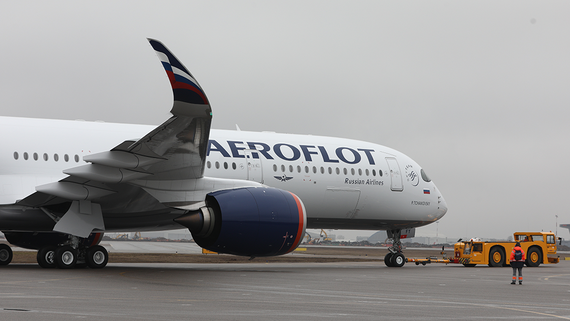
Russia’s flagship carrier Aeroflot has reported a decline in domestic passenger transportation during what is traditionally considered the peak travel season. The airline has attributed this unexpected reduction to ongoing changes in its operational structure and temporary restrictions affecting its route network. This development marks a significant shift for a company that has been working to strengthen its domestic presence following the dramatic reduction of international routes in recent years.
The announcement comes at a time when Russian airlines have been navigating an increasingly complex operating environment. Since 2022, the country’s aviation sector has faced unprecedented challenges, including Western sanctions that have restricted access to aircraft parts, maintenance services, and new plane deliveries. These factors have forced carriers to restructure their operations, prioritize certain routes, and manage their fleets more carefully to ensure continued airworthiness.
Structural Changes Reshape Operations
Aeroflot’s reference to “structural changes” in its operations suggests the carrier is actively reorganizing its domestic network. Industry analysts note that such restructuring often involves consolidating routes, adjusting flight frequencies, and reallocating aircraft to more profitable or strategically important destinations. The airline may also be responding to shifts in passenger demand patterns, as economic conditions influence travel behavior across different regions of Russia.
The temporary restrictions mentioned by the company could relate to various factors, including runway maintenance at key airports, seasonal weather constraints, or regulatory limitations. Several Russian airports have undergone infrastructure work in recent months, which can temporarily reduce capacity and force airlines to adjust their schedules accordingly. Additionally, some southern Russian airports have faced periodic closures due to security concerns, further complicating operational planning.
Historical Context and Market Position
Aeroflot has historically been Russia’s dominant carrier, operating both extensive international and domestic networks. Following the isolation from Western aviation markets, the airline has pivoted significantly toward domestic routes and flights to destinations in Asia, the Middle East, and other regions maintaining air links with Russia. This strategic shift initially led to increased domestic capacity, making the current reduction particularly noteworthy for industry observers.
The Russian domestic aviation market had shown signs of recovery and growth as travelers redirected their plans toward internal destinations when international options became limited. Popular routes to resort areas in southern Russia, Siberian cities, and the Far East saw increased demand. However, maintaining this growth requires adequate aircraft availability and operational flexibility, both of which have become increasingly challenging under current circumstances.
Industry Implications and Future Outlook
The reduction in peak season capacity raises questions about the broader health of Russia’s aviation sector. Airlines worldwide typically maximize their operations during summer months to capture vacation travel demand and generate revenues that sustain them through slower periods. A voluntary or forced reduction during this critical window could signal deeper operational constraints or strategic repositioning within the market.
Aviation experts suggest that fleet management has become the primary challenge for Russian carriers. With limited access to spare parts and maintenance support from original manufacturers, airlines must balance the need to keep planes flying against the imperative of maintaining safety standards. This delicate balance may be contributing to reduced flight offerings, as carriers ground aircraft for extended maintenance periods or operate more conservative schedules to preserve their fleets for the long term.
Expert Opinion: The reduction in Aeroflot’s domestic capacity during peak season likely reflects the compounding effects of fleet constraints and strategic route optimization rather than weakening demand. As aircraft availability becomes the limiting factor for Russian carriers, we may see continued capacity management that prioritizes sustainable operations over maximum market coverage, potentially creating opportunities for smaller regional airlines to fill service gaps in secondary markets.