

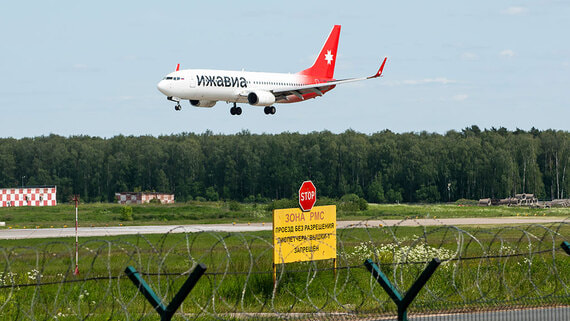
Regional authorities in the Republic of Udmurtia have announced their intention to restore the air operator certificate for IzhAvia, the regional airline based in Izhevsk, by November of this year. The decision comes after the carrier lost its certification, effectively grounding its operations and leaving the region without its primary air transportation provider. According to officials, the process involves preparing the company for a completely new certification procedure, which requires meeting stringent safety and operational standards set by Russian aviation regulators.
IzhAvia has historically served as a vital transportation link for Udmurtia, connecting the landlocked republic to major Russian cities including Moscow. The airline operated a mixed fleet of aircraft and provided essential connectivity for both business travelers and residents of the region. The loss of the operating certificate represented a significant blow to regional transportation infrastructure, particularly given Udmurtia’s geographic position in the western Ural region, where ground transportation options to major metropolitan centers involve lengthy journeys.
Background on Russian Aviation Certification
In Russia, air operator certificates are issued by the Federal Air Transport Agency (Rosaviatsia), which oversees all aspects of civil aviation safety and compliance. The certification process is comprehensive and includes evaluation of aircraft maintenance programs, crew training standards, operational procedures, and financial stability of the carrier. Airlines must demonstrate their ability to maintain consistent safety standards across all aspects of their operations before receiving or renewing their certificates.
The revocation or suspension of an air operator certificate typically occurs when regulators identify serious safety concerns or compliance failures. Russian aviation authorities have become increasingly stringent in recent years, particularly following several high-profile incidents that highlighted the need for enhanced oversight of regional carriers. The recertification process can be lengthy and demanding, requiring airlines to address all identified deficiencies and implement corrective measures before being allowed to resume operations.
Regional Impact and Economic Considerations
The absence of IzhAvia’s services has had measurable effects on Udmurtia’s economy and its residents’ mobility. The Republic of Udmurtia, with its capital Izhevsk being home to over 600,000 people, relies on air connectivity for business development, tourism, and personal travel. The region is known for its manufacturing sector, including the famous Kalashnikov weapons manufacturing concern, and business travelers frequently need reliable air connections to conduct operations in Moscow and other economic centers.
Local government officials have emphasized the strategic importance of restoring air services, viewing it as essential infrastructure rather than merely a commercial enterprise. The November deadline suggests authorities are working on an accelerated timeline, likely involving close coordination with federal regulators and significant investment in meeting certification requirements. Industry observers note that successfully completing recertification within such a timeframe would require substantial resources and organizational commitment from both the airline and regional authorities.
Future Outlook for Regional Aviation
The effort to restore IzhAvia’s operations reflects broader challenges facing Russia’s regional aviation sector. Many smaller carriers have struggled with aging fleets, maintenance costs, and regulatory compliance in recent years. Western sanctions have complicated access to spare parts and new aircraft, forcing Russian airlines to seek alternative solutions including increased domestic production and partnerships with non-Western suppliers. The situation has prompted federal and regional governments to take more active roles in supporting essential air services to underserved areas.
If successful, IzhAvia’s return to operations would mark a significant achievement for regional aviation recovery efforts. The carrier’s restoration would not only benefit Udmurtia directly but could also serve as a model for other regions facing similar challenges with their local air carriers. Aviation industry analysts will be watching closely to see whether the November target proves achievable and what measures prove most effective in bringing the airline back into compliance with federal certification standards.
Expert Opinion: The November timeline set by Udmurtia authorities appears ambitious but achievable if sufficient resources are allocated to the recertification effort. This case highlights the growing importance of regional government involvement in maintaining essential air connectivity, particularly as Russia’s aviation sector adapts to new operational realities. Success here could establish a precedent for state-supported recovery of regional carriers across the country.