

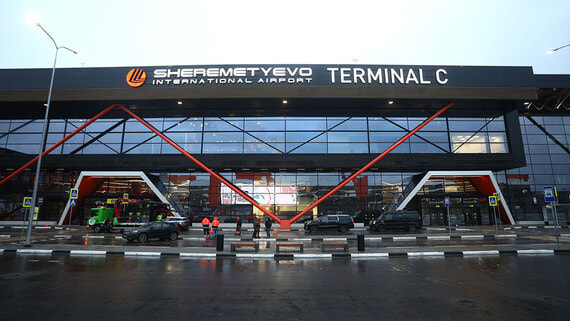
Russian President Vladimir Putin has signed a decree removing Sheremetyevo International Airport from the official list of strategic enterprises, a significant move that opens the door for the potential sale of government-held shares to private investors. The decision marks a notable shift in Russia’s approach to managing one of its most critical transportation assets, raising questions about the future ownership structure of the country’s largest airport by passenger traffic.
The newly signed document effectively authorizes the transfer of state-owned shares in the airport to private hands, signaling a potential privatization effort amid challenging economic conditions. This development comes at a time when Russia faces increasing economic pressure from international sanctions, and the government appears to be exploring various avenues to generate revenue and attract investment into key infrastructure sectors.
Background on Sheremetyevo Airport
Sheremetyevo International Airport, located northwest of Moscow, stands as Russia’s busiest airport and one of the largest aviation hubs in Eastern Europe. The facility has served as a gateway to Russia since the Soviet era, when it was initially constructed to handle international flights for the 1980 Moscow Olympics. Over the decades, it has undergone extensive modernization and expansion, with multiple terminals now capable of handling tens of millions of passengers annually. Before the onset of geopolitical tensions and pandemic-related disruptions, Sheremetyevo processed over 49 million passengers in 2019, making it a crucial node in global aviation networks.
The airport’s designation as a strategic enterprise has historically meant that any significant changes in ownership required presidential approval and were subject to strict governmental oversight. Strategic enterprises in Russia typically include companies and facilities deemed essential to national security, defense capabilities, or critical infrastructure. Removing Sheremetyevo from this protected category represents a fundamental change in how the Russian government views the asset’s role in the broader economic and security landscape.
Economic Implications and Market Response
The privatization of major airport infrastructure is not unprecedented globally, but the timing and context of this decision carry particular significance. International airports have increasingly attracted private investment worldwide, with investors drawn to the steady revenue streams from passenger fees, retail concessions, and parking operations. However, Sheremetyevo’s situation is complicated by the current geopolitical environment, which has seen Western airlines suspend flights to Russia and international sanctions restrict various business activities. These factors may limit the pool of potential investors to domestic players or entities from countries maintaining economic ties with Russia.
Industry analysts suggest that the Russian government may be seeking to capitalize on airport assets while maintaining some degree of operational control through regulatory mechanisms. Private ownership could potentially bring fresh capital for infrastructure improvements and operational efficiencies, though questions remain about who would be positioned to acquire such a significant stake. Russian oligarchs, sovereign wealth funds from friendly nations, or domestic investment groups could emerge as potential buyers, though any transaction would likely face scrutiny given the strategic nature of airport operations.
Future Outlook for Russian Aviation
The broader Russian aviation sector has faced considerable challenges in recent years, including aircraft maintenance difficulties due to sanctions on spare parts, reduced international connectivity, and shifting passenger travel patterns. The potential privatization of Sheremetyevo could represent part of a larger strategy to restructure the aviation industry and attract investment despite these obstacles. Some observers speculate that private ownership might provide more flexibility in navigating complex international regulations and business relationships than direct state ownership allows.
The decree’s implementation will likely unfold over the coming months, with details about potential bidders, valuation methodologies, and transaction structures yet to be announced. Government officials have not publicly disclosed specific timelines or procedures for any potential share sale, leaving market participants to speculate about the eventual scope and structure of privatization efforts. What remains clear is that this decision represents a significant policy shift with implications extending well beyond the aviation sector, potentially signaling broader changes in Russia’s approach to managing strategic economic assets during a period of unprecedented international pressure.
Expert Opinion: The removal of Sheremetyevo from the strategic enterprises list likely reflects Moscow’s need to unlock asset value during a period of fiscal strain while potentially creating distance between state ownership and international regulatory complications. This move could establish a precedent for similar privatizations of other strategic assets, though the success of any sale will depend heavily on finding investors willing to navigate significant geopolitical risks and potentially limited exit options.