

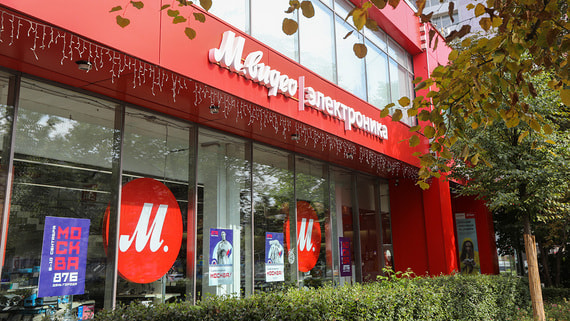
Russian electronics retailer M.Video-Eldorado Group is launching its own digital service designed to streamline the recruitment of warehouse personnel, marking another significant move in the country’s competitive e-commerce labor market. The initiative reflects growing challenges faced by major retailers in securing adequate staffing for their logistics operations amid intensifying competition for workers in the fulfillment and distribution sector.
The development follows a broader trend among Russia’s largest online marketplaces and retail chains, which have increasingly turned to proprietary recruitment solutions to address chronic labor shortages. Similar platforms have already been implemented by other major players in the Russian e-commerce landscape, including Ozon and Wildberries, as companies seek greater control over their workforce acquisition processes.
Addressing Critical Labor Shortages in Logistics
The Russian retail and e-commerce sector has experienced unprecedented growth in recent years, with online sales volumes expanding dramatically. This surge has created substantial pressure on logistics infrastructure and, consequently, on the labor market for warehouse workers, packers, and delivery personnel. Industry analysts estimate that major Russian marketplaces collectively require tens of thousands of additional warehouse employees annually to maintain operational efficiency and meet customer expectations for rapid delivery times.
M.Video’s decision to develop an in-house recruitment platform represents a strategic response to these challenges. Traditional hiring methods, including external recruitment agencies and job posting sites, have proven increasingly inadequate for meeting the scale and speed of staffing needs in modern e-commerce operations. By creating a dedicated service, the company aims to reduce recruitment costs, accelerate the hiring process, and build a more reliable pipeline of potential employees.
Competitive Landscape and Industry Trends
The move positions M.Video alongside its major competitors who have already invested heavily in workforce management technologies. Ozon, one of Russia’s largest online marketplaces, developed its own recruitment tools several years ago, while Wildberries has similarly implemented proprietary systems for managing its extensive network of warehouse and delivery staff. These platforms typically offer features such as automated application processing, shift scheduling, performance tracking, and streamlined onboarding procedures.
Industry experts note that the creation of such platforms reflects a fundamental shift in how large retailers approach human resources. Rather than viewing warehouse staffing as a purely administrative function, leading companies now treat it as a core competency requiring technological innovation and continuous optimization. The platforms often incorporate elements of the gig economy model, allowing for flexible scheduling arrangements that can accommodate fluctuating demand patterns, particularly during peak shopping seasons.
Implications for Workers and the Broader Market
For prospective warehouse employees, these proprietary recruitment platforms can offer certain advantages, including simplified application processes, transparent job listings, and direct communication channels with employers. However, labor advocates have raised concerns about the potential for such systems to increase employer control over working conditions and reduce worker bargaining power. The concentration of recruitment within company-controlled platforms may also limit workers’ ability to compare opportunities across different employers easily.
The broader implications for Russia’s retail labor market remain to be seen. As more companies develop their own recruitment infrastructure, the traditional role of external staffing agencies may diminish, potentially reshaping the employment services industry. Meanwhile, the competition for warehouse workers continues to intensify, with major retailers offering increasingly attractive compensation packages, signing bonuses, and workplace amenities to attract and retain staff in an employee’s market.
Expert Opinion: The proliferation of proprietary recruitment platforms among Russian retailers signals a maturing e-commerce ecosystem where logistics efficiency has become a critical competitive differentiator. Companies that successfully integrate workforce management technology with their broader operational systems will likely gain significant advantages in cost control and service reliability. As labor market pressures persist, we may see further consolidation and innovation in this space, potentially including AI-driven matching algorithms and predictive staffing models.