

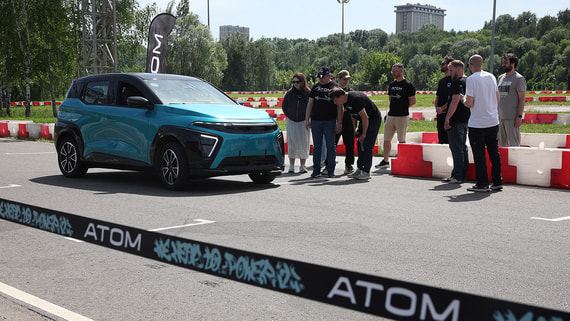
The Russian automotive startup Kama, which has been developing a domestic electric vehicle, has begun experiencing significant financial difficulties. According to recent reports, the company has started delaying salary payments to employees and has initiated layoffs across various departments. Despite these challenges, the company’s management maintains that they still plan to launch production of their electric car by the end of this year, though industry observers remain skeptical about the feasibility of this timeline given the current circumstances.
The situation at Kama reflects broader challenges facing Russia’s automotive industry, which has been struggling to adapt to new market realities following international sanctions and the departure of major foreign manufacturers from the Russian market. The company had positioned itself as a promising player in the emerging Russian electric vehicle sector, attracting significant attention from investors and government officials who saw it as a potential solution to the country’s need for domestically produced electric transportation.
Background and Development History
Kama was established with ambitious goals to create a competitive Russian electric vehicle that could eventually replace imported models and fill the gap left by departing Western automakers. The startup attracted considerable investment and technical expertise, partnering with various Russian technology companies and research institutions. The project was seen as strategically important for Russia’s automotive independence, particularly as global markets increasingly shift toward electric mobility and sustainable transportation solutions.
The company’s flagship project involved developing an electric vehicle that would be both affordable for Russian consumers and technologically competitive with foreign alternatives. Engineers and designers worked on creating a vehicle that could handle Russia’s challenging climate conditions, including extreme cold temperatures that can significantly affect battery performance. The startup also aimed to establish a domestic supply chain for key components, reducing dependence on foreign suppliers.
Financial Challenges and Industry Impact
The current financial difficulties at Kama appear to stem from a combination of factors, including rising costs for components and materials, difficulties in securing consistent funding, and the overall challenging economic environment in Russia. Salary delays typically indicate serious cash flow problems, and employee layoffs suggest the company is attempting to reduce operational costs to stay afloat. Sources close to the company indicate that several dozen employees have already been affected by the workforce reductions.
Industry analysts note that Kama’s troubles are not unique in the current Russian automotive landscape. Several domestic manufacturers and startups have faced similar challenges as they attempt to build new vehicles largely from scratch without access to established international supply chains and technologies. The cost of developing electric vehicles from the ground up is substantial, requiring significant investment in research and development, manufacturing equipment, and skilled personnel over extended periods before any revenue can be generated from vehicle sales.
Future Prospects and Market Outlook
Despite the setbacks, Kama’s leadership has publicly stated their commitment to launching production before the end of the current year. However, many industry experts express doubt about whether this timeline is realistic given the company’s apparent financial constraints. Starting mass production requires not only completing vehicle development but also establishing manufacturing facilities, quality control systems, and dealer networks—all of which demand substantial capital investment that may be difficult to secure under current circumstances.
The Russian electric vehicle market remains in its early stages, with relatively limited infrastructure for charging stations and consumer awareness about EV benefits still developing. Government officials have announced various support programs for domestic EV production, but the actual implementation and effectiveness of these initiatives remains to be seen. For startups like Kama, surviving long enough to bring products to market may ultimately depend on securing additional government support or finding new private investors willing to take risks in this uncertain environment.
Expert Opinion: The challenges facing Kama underscore the immense difficulty of building an automotive company from scratch, particularly in the capital-intensive electric vehicle sector. While Russia’s need for domestic EV production is clear, success will likely require either substantial government intervention or consolidation among struggling startups. The coming months will be critical in determining whether Kama can secure the resources needed to survive, or whether it will become another cautionary tale in the challenging history of automotive entrepreneurship.