

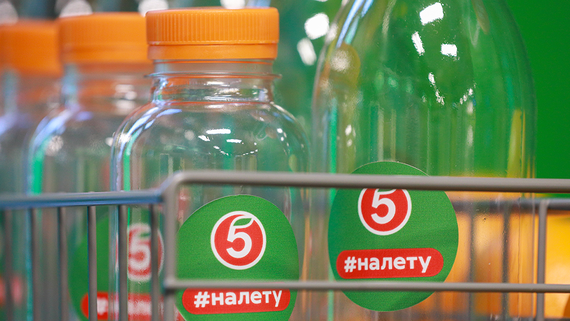
Russian retail giant X5 Group has officially shut down its sole Pyaterochka Naletu convenience store location in Saint Petersburg, marking a significant retreat from an experimental retail format that the company had been testing in the Russian market. The closure signals broader challenges facing innovative quick-service retail concepts in Russia’s complex economic environment, where consumer habits and operational costs present unique obstacles for businesses attempting to introduce new shopping experiences.
According to company representatives, developing the format in which this particular store operated has proven exceptionally difficult within Russia. The Pyaterochka Naletu concept was designed as a grab-and-go convenience format, targeting busy urban consumers who need quick access to essential products without the time investment of traditional grocery shopping. This model has found considerable success in Western markets and parts of Asia, but appears to face substantial headwinds in the Russian retail landscape.
The Rise and Challenges of Quick-Service Retail in Russia
The convenience store sector has been evolving rapidly worldwide, with major retailers experimenting with smaller footprint locations, automated checkout systems, and curated product selections aimed at time-pressed consumers. X5 Group, which operates some of Russia’s largest retail chains including Pyaterochka, Perekrestok, and Chizhik, launched the Naletu format as part of its broader strategy to capture the growing segment of customers seeking faster shopping experiences. The concept represented an attempt to modernize the traditional corner store model with contemporary retail technology and streamlined operations.
However, the Russian market presents particular challenges for such formats. Consumer shopping patterns in Russia often differ significantly from Western markets, with many shoppers still preferring larger stores where they can purchase items in bulk or take advantage of broader product selections. Additionally, the economic pressures facing Russian consumers, particularly following international sanctions and currency fluctuations, have made price sensitivity a dominant factor in purchasing decisions, potentially undermining premium convenience concepts that typically carry higher price points.
X5 Group’s Strategic Position in Russian Retail
X5 Group remains one of Russia’s most powerful retail corporations, operating thousands of stores across the country and commanding a significant share of the grocery market. The company has demonstrated considerable adaptability over the years, adjusting its strategies to meet changing consumer demands and economic conditions. The closure of the Pyaterochka Naletu location in Saint Petersburg does not appear to threaten the company’s overall market position, but it does represent a notable setback in its innovation pipeline. Industry analysts suggest that X5 may redirect resources toward its more established and profitable formats rather than continuing to invest in experimental concepts that face uncertain returns.
The Saint Petersburg market, while one of Russia’s most affluent urban centers, has shown mixed reception to new retail formats. The city’s historic architecture and established shopping districts create logistical challenges for modern retail operations, while competition from both traditional markets and online delivery services has intensified in recent years. These factors may have contributed to the difficulties faced by the Naletu concept in establishing a sustainable customer base in the region.
Future Outlook for Russian Retail Innovation
The closure raises broader questions about the trajectory of retail innovation in Russia during a period of significant economic uncertainty. While major retailers continue to invest in digital transformation and logistics improvements, consumer-facing experimental formats may face increased scrutiny from corporate decision-makers seeking reliable returns on investment. The success of discount-oriented formats like X5’s Chizhik chain suggests that value-focused approaches may prove more sustainable in the current environment than premium convenience concepts. As the Russian retail landscape continues to evolve, companies will likely prioritize formats that align with the economic realities facing their customer base while maintaining operational efficiency in challenging conditions.
Expert Opinion: The closure of Pyaterochka Naletu reflects a broader recalibration happening across Russian retail, where companies are retreating from experimental Western-style formats toward proven models that emphasize value over convenience. This trend suggests that until disposable incomes stabilize and consumer confidence improves, innovation in Russian retail will likely focus on cost optimization and discount offerings rather than premium quick-service concepts. X5’s decision represents prudent capital allocation in an uncertain market rather than a failure of the convenience store model itself.