

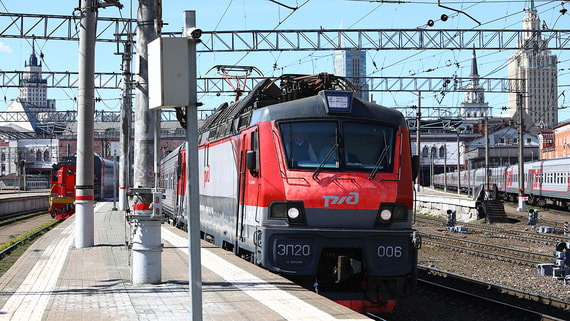
Russia’s Ministry of Industry and Trade has put forward a controversial proposal that has sent ripples through the country’s railway manufacturing sector. The ministry is considering the introduction of recycling fees, similar to those already applied in the automotive industry, for railway machinery and rolling stock. This initiative, aimed at supporting domestic production and managing end-of-life equipment, has caught many industry players off guard, raising questions about implementation logistics, cost implications, and the broader impact on an already strained supply chain.
The concept of utilization fees is not new to Russian industry. Since 2012, the country has implemented recycling fees on automobiles, ostensibly to fund the future disposal of vehicles and their components. Over the years, these fees have grown substantially, becoming a significant factor in vehicle pricing and serving as a de facto protective measure for domestic automakers against foreign competition. Now, the Ministry of Industry and Trade appears ready to extend this model to the railway sector, potentially transforming the economics of locomotive and railcar production.
The Proposal and Industry Reaction
The proposed recycling fee for railway equipment has generated significant surprise among manufacturers, primarily because of the unique characteristics of the rail industry compared to automotive. Railway rolling stock typically has a service life of 30 to 40 years, with many freight cars and locomotives operating even longer after refurbishment programs. This longevity stands in stark contrast to passenger vehicles, which generally remain in service for 10 to 15 years. Industry representatives argue that applying automotive-style recycling fees to equipment with such extended lifecycles requires fundamentally different calculations and justifications.
Furthermore, the Russian railway machinery market operates under vastly different competitive dynamics than the automotive sector. The domestic market is dominated by a handful of major players, including Transmashholding, United Wagon Company, and Uralvagonzavod, with relatively limited foreign competition. Critics of the proposal question whether protective measures are necessary in a sector where domestic manufacturers already hold commanding market positions. Some industry analysts suggest the fee may be primarily designed as a revenue-generation mechanism rather than a genuine environmental initiative.
Economic and Environmental Considerations
The environmental justification for railway recycling fees presents a complex picture. On one hand, railway equipment contains significant quantities of steel, copper, and other recyclable materials that retain substantial value at end of life. The existing scrap metal industry already provides economic incentives for proper disposal and recycling of decommissioned rolling stock. On the other hand, proponents argue that a structured fee system could ensure more systematic handling of hazardous components and create dedicated funding for modernization programs.
The financial implications of the proposed fees remain unclear, adding to industry uncertainty. If structured similarly to automotive recycling fees, which can add hundreds of thousands of rubles to vehicle prices, the impact on railway equipment costing tens of millions of rubles could be proportionally enormous. Railway operators and leasing companies, already grappling with fleet renewal challenges and maintenance backlogs, express concern that additional fees could delay necessary investments in modern, more efficient rolling stock. The timing of this proposal, amid ongoing economic pressures and supply chain disruptions, has amplified these concerns.
Historical Context and Future Implications
Russia’s railway network, one of the world’s largest at over 85,000 kilometers, depends on a massive fleet of rolling stock that requires continuous renewal. The average age of freight cars has been a persistent concern, with many vehicles approaching or exceeding their designed service lives. Any policy affecting the economics of new equipment purchases carries significant implications for network capacity, safety, and efficiency. Industry observers note that poorly designed fee structures could inadvertently encourage operators to extend the life of older, less efficient equipment rather than investing in new purchases.
Looking ahead, the Ministry of Industry and Trade will need to address numerous technical and practical questions before any recycling fee system could be implemented. These include determining fee levels, establishing collection and administration mechanisms, defining how funds would be allocated, and creating exemptions or adjustments for different equipment categories. The ministry’s consultation process with industry stakeholders will likely prove crucial in shaping a final policy that balances environmental objectives, industrial policy goals, and the practical realities of railway operations. As discussions continue, manufacturers and operators alike are watching closely, hoping for clarity and reasonable terms that support rather than hinder the sector’s development.
Expert Opinion: The extension of recycling fees to railway equipment represents a significant policy experiment that could reshape investment patterns in Russian heavy industry. Given the sector’s long equipment lifecycles and existing recycling economics, any fee structure must be carefully calibrated to avoid unintended consequences such as delayed fleet modernization or increased operational costs passed to consumers. The success of this initiative will ultimately depend on transparent stakeholder engagement and a realistic assessment of both environmental benefits and economic impacts.