

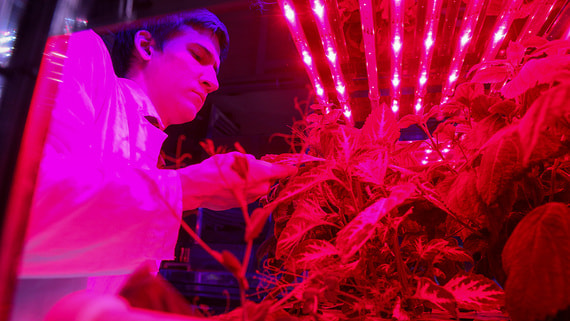
Russia’s agricultural and industrial complex (AIC) is confronting a significant demographic challenge that threatens the sector’s long-term viability. According to recent data, only 15.5% of employees working at Russian agricultural enterprises in 2025 are under the age of 35, signaling a critical shortage of young professionals entering the industry. Experts warn that this trend could lead to severe labor shortages as the core workforce continues to age, potentially undermining food security and agricultural productivity in the coming decades.
The aging workforce phenomenon in Russian agriculture reflects broader demographic trends affecting the country’s labor market. With fewer young people choosing careers in farming, livestock management, and related agricultural fields, the sector faces an impending generational gap that could prove difficult to bridge. This situation has prompted urgent calls from industry leaders and government officials for comprehensive measures to attract and retain young talent in rural areas.
The Roots of the Agricultural Labor Crisis
The shortage of young workers in Russian agriculture stems from multiple interconnected factors that have developed over several decades. Following the collapse of the Soviet Union, rural areas experienced significant population decline as young people migrated to urban centers seeking better economic opportunities, education, and quality of life. This rural-to-urban migration pattern has continued into the 21st century, leaving agricultural regions with aging populations and diminishing labor pools.
Agricultural work has traditionally been perceived as physically demanding, poorly compensated, and offering limited career advancement opportunities compared to urban employment. Despite modernization efforts and technological improvements in farming practices, these perceptions persist among younger generations. The average salary in Russian agriculture remains below the national average, making it challenging to compete with other sectors for talented young professionals. Additionally, rural infrastructure deficits, including limited access to healthcare, education, and entertainment, further discourage young families from settling in agricultural communities.
Expert Analysis and Industry Outlook
Industry analysts have expressed serious concerns about the sustainability of current workforce trends. Agricultural experts point out that the sector requires not only manual laborers but increasingly demands skilled professionals capable of operating sophisticated machinery, managing complex agricultural systems, and implementing modern farming technologies. The average age of experienced agricultural specialists continues to rise, and without adequate knowledge transfer to younger generations, valuable expertise accumulated over decades could be lost.
Government initiatives to address the labor shortage have included scholarship programs for agricultural students, rural housing subsidies, and financial incentives for young professionals relocating to farming regions. The Russian Ministry of Agriculture has implemented various programs aimed at making agricultural careers more attractive, including supporting agricultural education institutions and promoting agribusiness entrepreneurship among youth. However, experts suggest that these measures, while helpful, may be insufficient to reverse deeply entrenched demographic trends without more substantial structural reforms.
Future Implications and Potential Solutions
The implications of an aging agricultural workforce extend beyond simple labor availability. Russia’s food security strategy depends on maintaining robust domestic agricultural production, and workforce shortages could compromise these objectives. Some agricultural enterprises have responded by accelerating automation and investing in labor-saving technologies, though such investments require significant capital and technical expertise that may not be accessible to smaller operations.
Looking ahead, industry stakeholders emphasize the need for a comprehensive approach that addresses both economic and social factors influencing career decisions among young Russians. This includes improving wages and working conditions, investing in rural infrastructure, and changing cultural perceptions of agricultural work. International experience suggests that successful agricultural sectors in developed countries have managed to attract young talent by offering competitive compensation, incorporating cutting-edge technology, and promoting farming as a modern, environmentally significant profession. Whether Russia can implement similar transformations before the current generation of agricultural workers reaches retirement age remains an open question with significant implications for the nation’s agricultural future.
Expert Opinion: The 15.5% youth representation figure represents a critical threshold that demands immediate policy intervention. Based on current demographic trajectories, Russian agriculture could face workforce shortfalls of 25-30% within the next decade unless substantial reforms are implemented. The most effective solutions will likely combine technological modernization with targeted social programs that fundamentally transform the appeal of agricultural careers for younger generations.