

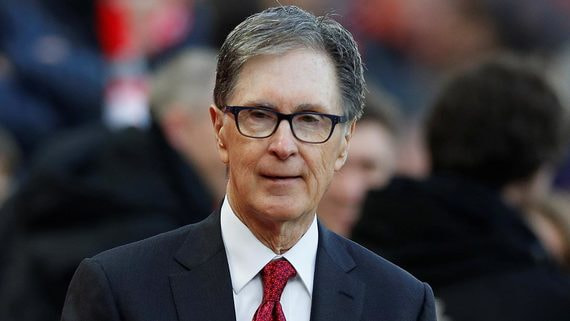
In a move that further consolidates one of the most powerful sports empires in the world, Fenway Sports Group (FSG) has announced its acquisition of the Pittsburgh Penguins, adding yet another prestigious franchise to its already impressive portfolio. The deal marks a significant expansion for the Boston-based investment consortium, which already owns Liverpool FC, the Boston Red Sox, and a stake in the National Hockey League itself. John Henry, the billionaire financier who founded FSG, has built his reputation on a simple but effective philosophy: sustainable success in professional sports requires meticulous attention to the business side of the game.
The acquisition of the Penguins represents FSG’s deepest dive into professional hockey, a sport that has seen significant growth in North American markets over the past decade. The Pittsburgh franchise, which boasts three Stanley Cup championships since 2009, has long been considered one of the crown jewels of the NHL. With legendary players like Sidney Crosby and Evgeni Malkin having defined an era of dominance, the Penguins bring both on-ice prestige and substantial commercial value to FSG’s expanding empire.
The FSG Business Model: Revenue-First Success
John Henry’s approach to sports ownership has always been distinctly analytical, a reflection of his background as a commodities trader who made his fortune through systematic, data-driven investing. When he purchased the Boston Red Sox in 2002, the franchise had not won a World Series in 86 years. Within two years, the Red Sox broke their famous curse, winning the championship in 2004 and going on to claim three more titles under FSG ownership. The secret, Henry has consistently maintained, lies in treating sports franchises as both competitive entities and sophisticated businesses.
This philosophy was put to the test when FSG acquired Liverpool FC in 2010. The storied English club was mired in debt and had not won a league title in three decades. Through careful financial management, strategic player recruitment, and investment in infrastructure—including a major expansion of Anfield stadium—FSG transformed Liverpool into Premier League champions in 2020 and Champions League winners in 2019. The turnaround demonstrated that Henry’s revenue-focused approach could translate across different sports and different continents.
Strategic Expansion Into Hockey
The Pittsburgh Penguins acquisition fits neatly into FSG’s broader strategy of acquiring premium sports properties with strong local fan bases and growth potential. The Penguins, founded in 1967 as part of the NHL’s first major expansion, have developed one of the most passionate followings in professional hockey. The franchise has historically punched above its weight commercially, leveraging its championship success and star players to build a brand that resonates far beyond western Pennsylvania.
Industry analysts note that FSG’s entry into full NHL team ownership comes at a pivotal moment for the league. Hockey has been aggressively expanding its footprint, with new franchises in Seattle and Las Vegas proving that the sport can thrive in non-traditional markets. Television rights deals have grown substantially, and the league’s partnership with ESPN has brought increased visibility to American audiences. For a group like FSG, which excels at maximizing media revenue and building global brand awareness, the timing appears optimal.
The Challenge of Managing a Multi-Sport Empire
Managing a portfolio that spans baseball, soccer, hockey, and various other ventures presents unique challenges that few ownership groups have successfully navigated. FSG has invested heavily in creating centralized operations that allow different franchises to share best practices in areas like analytics, marketing, and facility management. The group’s success with Liverpool, in particular, demonstrated that American sports management techniques could be adapted for international markets without alienating traditional fan bases.
Critics have occasionally questioned whether FSG’s emphasis on financial sustainability sometimes comes at the expense of competitive spending. Liverpool supporters have at times expressed frustration over perceived reluctance to invest in player transfers during critical windows. However, the club’s sustained success over the past decade has largely quieted such concerns, and the Penguins’ loyal fan base will undoubtedly watch closely to see how FSG balances fiscal responsibility with the aggressive spending often required to compete for Stanley Cups.
Looking Ahead: The Future of Sports Consolidation
The Penguins deal reflects a broader trend in professional sports toward consolidation among wealthy ownership groups capable of navigating increasingly complex regulatory and financial landscapes. As franchise valuations continue to soar—the average NHL team is now worth over one billion dollars—the pool of potential buyers has naturally shrunk to those with the deepest pockets and most sophisticated business operations. FSG’s expansion suggests that the future of sports ownership may belong to diversified conglomerates rather than individual billionaires with passion for a single team.
For Pittsburgh fans, the immediate question centers on what FSG’s ownership will mean for a franchise currently in transition. With Crosby and Malkin in the twilight of their careers, the Penguins face the challenge of maintaining competitiveness while preparing for an eventual rebuild. FSG’s track record suggests they will approach this challenge methodically, investing in player development and infrastructure while seeking creative ways to maximize revenue streams. If history is any guide, John Henry’s formula of treating sports as a business may prove just as effective on the ice as it has been on the pitch and the diamond.
Expert Opinion: FSG’s acquisition of the Pittsburgh Penguins signals a new era of hyper-professionalized multi-sport ownership that could reshape competitive dynamics across major leagues. The group’s proven ability to leverage cross-platform synergies and global marketing expertise positions the Penguins for long-term financial stability, though the true test will come in balancing championship aspirations with the patient, analytics-driven approach that has defined FSG’s philosophy. Expect other NHL franchises to seek similar deep-pocketed ownership groups as the league continues its aggressive growth trajectory.