

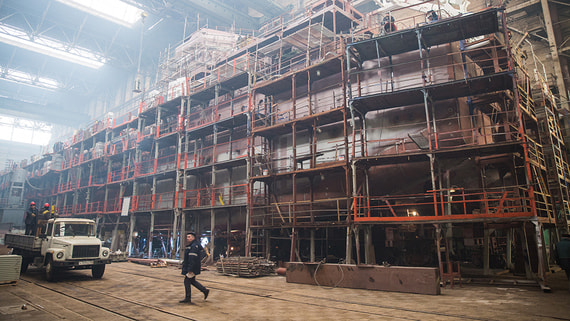
The Russian river cruise industry faces significant setbacks as the United Shipbuilding Corporation (USC) has announced substantial delays in the delivery of three cruise ships commissioned by Vodohod, one of Russia’s largest river cruise operators. This development highlights the ongoing challenges plaguing the domestic shipbuilding sector and raises serious concerns about the future growth of river passenger transportation in Russia. The fleet shortage has become a critical bottleneck that is substantially constraining the development of the river passenger transport market.
Delivery Timeline Pushed Back Amid Industry Challenges
The United Shipbuilding Corporation, Russia’s state-controlled shipbuilding conglomerate, has been forced to revise its delivery schedule for the three cruise vessels originally ordered by Vodohod. The delays come at a particularly challenging time for the Russian maritime industry, which has been grappling with supply chain disruptions, skilled labor shortages, and restricted access to certain foreign technologies and components. These factors have combined to create significant obstacles for domestic shipbuilders attempting to fulfill their contractual obligations.
Vodohod, which operates the largest fleet of river cruise ships in Russia, had been counting on these new vessels to expand its capacity and modernize its aging fleet. The company offers cruises along Russia’s major waterways, including the Volga River, the historic route between Moscow and St. Petersburg, and various Siberian rivers. The delayed deliveries represent a significant setback for the operator’s expansion plans and could affect its ability to meet growing passenger demand.
Fleet Shortage Threatens Market Growth
Industry analysts have long warned that the shortage of modern river cruise vessels poses a fundamental threat to the development of Russia’s river passenger transport sector. The existing fleet, largely inherited from the Soviet era, is aging rapidly, with many ships approaching or exceeding their operational lifespan. Without significant investment in new construction, the industry risks a gradual decline in available capacity, even as consumer interest in river cruises continues to grow.
The Russian river cruise market experienced a notable recovery following the pandemic years, with domestic tourism receiving a boost as international travel became more complicated for Russian citizens. This increased demand has only intensified the pressure on operators to expand and modernize their fleets. However, the domestic shipbuilding industry has struggled to keep pace with these requirements, creating a widening gap between market needs and available vessel capacity.
Historical Context and Industry Significance
Russia’s river cruise tradition dates back to the Soviet period when an extensive network of passenger services operated across the country’s vast waterway system. The Soviet Union built hundreds of river cruise vessels, many of which remain in service today despite their advanced age. Following the dissolution of the USSR, investment in new river cruise construction virtually ceased for decades, creating the fleet deficit that the industry now struggles to address.
The United Shipbuilding Corporation was established in 2007 to consolidate Russia’s fragmented shipbuilding assets and restore the country’s position as a major shipbuilding nation. While USC has achieved some success in naval construction, civilian projects including cruise vessels have faced repeated challenges and delays. The corporation operates numerous shipyards across Russia but continues to face difficulties in executing complex passenger vessel projects on schedule and within budget.
Looking ahead, industry stakeholders are calling for increased government support and investment in shipbuilding infrastructure to address the chronic fleet shortage. Some experts suggest that partnerships with foreign shipyards could help accelerate fleet renewal, though geopolitical factors have complicated such arrangements in recent years. Without decisive action, the river cruise sector risks losing its competitive position as a tourism product, potentially limiting economic development in the many communities that depend on cruise traffic for their livelihoods.
Expert Opinion: The continued delays in cruise vessel construction underscore the structural weaknesses in Russia’s civilian shipbuilding sector that cannot be resolved through short-term measures alone. Without a comprehensive modernization program addressing workforce training, supply chain development, and technology acquisition, the fleet shortage will likely persist for at least another decade. Operators may need to explore alternative strategies, including vessel refurbishment and potential acquisitions from international markets, to maintain their service levels in the interim.