

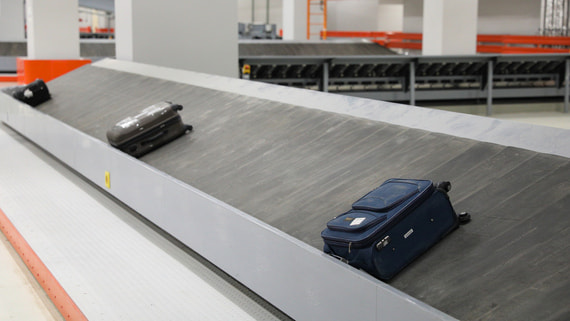
The aviation industry is preparing for a significant technological transformation as airports worldwide explore the implementation of drone systems for baggage delivery operations. This innovative approach aims to dramatically increase labor productivity and accelerate the processing of passenger luggage, potentially reshaping how airports manage one of their most labor-intensive operations. As air travel continues to recover and grow following the pandemic years, the pressure on airport infrastructure has never been greater, making automation solutions increasingly attractive to airport operators.
The Growing Need for Automated Baggage Solutions
Modern airports face unprecedented challenges in managing the flow of millions of pieces of luggage annually. A typical large international hub processes between 50,000 to 100,000 bags daily, with peak travel periods pushing these numbers even higher. Traditional baggage handling systems, while sophisticated, still rely heavily on human workers who must physically move, sort, and load luggage onto aircraft. This process is not only time-consuming but also physically demanding and prone to errors that can result in delayed or misrouted baggage. Industry statistics suggest that approximately 25 million bags are mishandled globally each year, costing airlines billions of dollars in compensation and logistics.
The introduction of unmanned aerial vehicles into this equation represents a paradigm shift in airport logistics. Unlike conventional conveyor systems that require fixed infrastructure, drones offer flexibility and can navigate complex airport environments more efficiently. These autonomous systems can potentially reduce the time it takes to transport a bag from check-in to the aircraft from the current average of 30-45 minutes to just 10-15 minutes. Furthermore, drone operations can continue around the clock with minimal supervision, addressing the labor shortages that many airports have experienced in recent years.
Technical Implementation and Safety Considerations
Implementing drone-based baggage delivery systems requires sophisticated technology integration. Modern cargo drones designed for airport use typically feature advanced obstacle avoidance systems, GPS-independent navigation capabilities for indoor environments, and payload capacities ranging from 20 to 50 kilograms. These aircraft utilize a combination of LiDAR sensors, computer vision, and artificial intelligence to navigate the complex and dynamic airport environment safely. The drones must be capable of operating in close proximity to aircraft, ground vehicles, and personnel while maintaining strict safety protocols.
Safety remains the paramount concern for aviation authorities considering such implementations. Airports are highly regulated environments where any new technology must undergo rigorous testing and certification. The International Civil Aviation Organization and national aviation authorities have been developing frameworks for integrating drone operations into airport environments. These regulations address concerns including battery safety, electromagnetic interference with aircraft systems, and protocols for emergency situations. Several airports in Europe and Asia have already conducted successful pilot programs, demonstrating that with proper safeguards, drone baggage systems can operate safely alongside traditional airport activities.
Economic Impact and Future Outlook
The economic implications of adopting drone technology for baggage handling are substantial. Initial investment costs for implementing such systems are significant, with estimates suggesting that a comprehensive drone baggage network for a medium-sized airport could require investments of $10-20 million. However, operational savings over time could offset these costs within five to seven years. Labor costs, which represent approximately 40% of baggage handling expenses, could be significantly reduced, while processing speed improvements would allow airports to handle more flights without expanding physical infrastructure.
Looking ahead, industry analysts predict that drone baggage systems could become standard at major airports within the next decade. Early adopters are likely to gain competitive advantages through improved passenger satisfaction and operational efficiency. As the technology matures and costs decrease, smaller regional airports may also benefit from scaled-down versions of these systems. The integration of drones with other emerging technologies, such as blockchain-based baggage tracking and biometric passenger identification, promises to create a seamless travel experience where luggage management becomes virtually invisible to passengers. This evolution represents just one aspect of the broader digital transformation sweeping through the aviation industry.
Expert Opinion: Aviation technology analysts predict that drone-based baggage handling could reduce mishandled luggage rates by up to 60% while cutting ground handling costs by approximately 30% over the next decade. The key to successful implementation will be regulatory harmonization across different jurisdictions and the development of standardized safety protocols that can be universally adopted. Airports that invest early in this technology are likely to establish operational benchmarks that will influence industry standards for years to come.