

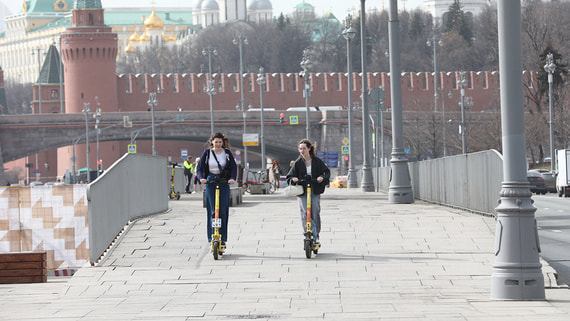
Moscow has solidified its position as the global leader in electric kick scooter sharing services among world capitals, demonstrating impressive growth figures that surpass major metropolitan areas worldwide. The Russian capital’s kicksharing market expanded by 14% in the latest reporting period, establishing new benchmarks for revenue generation, fleet size, and total number of trips completed. This remarkable achievement highlights the rapid adoption of micro-mobility solutions in one of Europe’s largest cities and reflects broader trends in urban transportation evolution.
The growth trajectory of Moscow’s shared electric scooter industry represents a significant shift in how residents navigate the sprawling metropolis. With a population exceeding 12 million people, Moscow has embraced kick scooter sharing as a viable alternative to traditional transportation methods, particularly for last-mile connectivity and short urban journeys. The city’s extensive network of parks, renovated sidewalks, and dedicated cycling infrastructure has created favorable conditions for the proliferation of these two-wheeled vehicles.
Market Dynamics and Industry Leadership
The Moscow kicksharing market’s dominance among global capitals encompasses three critical metrics: total revenue generated, size of the operational fleet, and cumulative number of rides completed by users. This triple leadership position distinguishes the Russian capital from other major cities that have adopted similar micro-mobility programs. Cities like Paris, Berlin, and London, while maintaining substantial kicksharing operations, have not achieved the same scale of market penetration that Moscow has demonstrated in recent years.
Several factors contribute to Moscow’s exceptional performance in the kicksharing sector. The city’s relatively flat terrain in central areas makes scooter riding accessible and appealing to a broad demographic range. Additionally, the seasonal nature of the service, typically operating from April through November, creates concentrated periods of intensive usage that drive impressive daily statistics. Major operators in the market have invested heavily in expanding their fleets and improving service quality, responding to growing consumer demand.
Infrastructure Development and Safety Measures
The explosive growth of kicksharing services has prompted Moscow authorities to implement comprehensive regulations governing the operation of shared electric scooters. Speed limits have been established in pedestrian zones, and designated parking areas have been created throughout the city center to manage the visual impact and accessibility concerns associated with docked and dockless scooter systems. The city has invested significantly in expanding dedicated lanes that accommodate both bicycles and kick scooters, separating micro-mobility users from both pedestrian foot traffic and vehicular roads.
Safety considerations remain paramount as the industry continues its expansion. Operators have introduced mandatory in-app safety tutorials, helmet encouragement programs, and geofencing technology that automatically reduces scooter speeds in high-risk areas such as crosswalks, busy intersections, and zones near schools and hospitals. Insurance coverage for riders has become standard across major platforms, providing protection against accidents and third-party liability claims that may arise during rental periods.
Economic Impact and Future Outlook
The kicksharing industry has generated substantial economic benefits beyond direct revenue streams. Employment opportunities have emerged in fleet maintenance, customer service, and logistics operations that support daily redistribution of scooters across the city. Technology companies have developed sophisticated algorithms for demand prediction and optimal scooter placement, creating high-value positions in data science and software engineering sectors. Local businesses near popular pickup and drop-off locations have reported increased foot traffic as scooter users discover new neighborhoods and commercial areas.
Looking ahead, industry analysts predict continued growth for Moscow’s kicksharing market, though potentially at a more moderate pace as the sector matures. Integration with public transportation systems through unified payment platforms and trip planning applications represents the next frontier for development. Some operators are exploring year-round service models with winter-adapted vehicles, while others are investing in longer-range scooters that could extend service areas to suburban districts currently underserved by micro-mobility options. The 14% growth figure positions Moscow as a case study for other major cities seeking to develop their own successful kicksharing ecosystems.
Expert Opinion: The sustained double-digit growth in Moscow’s kicksharing market suggests that micro-mobility has transitioned from a novelty to an essential component of urban transportation infrastructure. As other global capitals face congestion and environmental challenges, Moscow’s model demonstrates that strategic investment in supporting infrastructure, combined with balanced regulation, can unlock significant market potential. We expect the industry to continue evolving toward greater integration with public transit and potentially year-round operations within the next three to five years.