

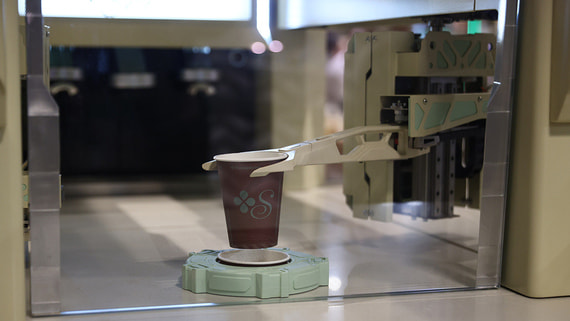
Russian consumers are increasingly turning to retail chains for their hot beverage needs, driving sales at major retailers to nearly double over the past year. This significant shift in consumer behavior reflects broader economic pressures that are reshaping how Russians approach their daily coffee and tea rituals. As inflation continues to squeeze household budgets, the traditional trip to a cozy coffee shop is being replaced by more budget-conscious alternatives available at supermarkets and convenience stores.
The trend represents a fundamental change in consumption patterns across the country. Where once grabbing a latte at a trendy café was seen as an affordable everyday luxury, rising prices have forced many Russians to reconsider their spending habits. Retail chains have been quick to capitalize on this shift, expanding their ready-to-drink hot beverage offerings and installing coffee machines at checkout areas to capture this growing market segment.
Economic Pressures Drive Consumer Behavior Changes
The dramatic increase in hot beverage sales at retail outlets comes against a backdrop of persistent economic challenges facing Russian households. Inflation has significantly impacted the cost of dining out and purchasing specialty beverages at coffee shops, where a single cup can cost three to four times more than a similar drink prepared at a retail location. For many consumers, particularly those in middle-income brackets, these small daily savings add up to meaningful monthly budget relief.
Industry analysts note that the average price of a cup of coffee at a traditional café in major Russian cities has risen substantially over recent years, while retail alternatives have maintained more competitive pricing. This price gap has widened considerably, making the economic argument for retail purchases increasingly compelling. Working professionals who once budgeted for daily coffee shop visits are now redirecting those funds toward other essential expenses.
Retail Chains Adapt to Capture Growing Market
Major Russian retail chains have responded to this opportunity by significantly expanding their hot beverage infrastructure. Many supermarkets and convenience stores have installed self-service coffee machines offering a variety of drinks from espresso to cappuccino, often at prices 50-70% lower than traditional coffee shops. These machines have become increasingly sophisticated, offering quality that approaches what consumers might find at dedicated cafés.
The retail sector’s investment in this category extends beyond just coffee. Tea, hot chocolate, and other warm beverages have also seen substantial sales growth. Some chains have created dedicated beverage corners within their stores, complete with comfortable seating areas that mimic the coffee shop experience while maintaining retail pricing. This hybrid approach allows consumers to enjoy a moment of relaxation without the premium price tag associated with café culture.
Implications for Russia’s Coffee Shop Industry
The shift toward retail purchases has significant implications for Russia’s once-booming coffee shop industry. Established chains and independent cafés alike are feeling the pressure as foot traffic declines and average transaction values fall. Some coffee shop operators have responded by introducing loyalty programs, smaller portion sizes at reduced prices, or partnerships with food delivery services to maintain customer engagement.
Industry experts suggest that this trend may accelerate consolidation in the coffee shop market, with weaker players unable to survive the prolonged period of reduced consumer spending. However, some analysts believe that the café experience itself—the ambiance, the social aspect, and the quality of preparation—will continue to hold value for certain consumer segments, particularly for special occasions or business meetings where the setting matters as much as the beverage.
The transformation of hot beverage consumption habits in Russia reflects broader global trends seen in other markets facing economic pressures. Similar patterns have emerged in various European countries during periods of economic uncertainty, suggesting that when budgets tighten, small daily luxuries are often among the first expenses to be reconsidered. For Russian retailers, this represents both a business opportunity and a responsibility to meet evolving consumer expectations for quality and convenience at accessible price points.
Expert Opinion: This consumption shift signals a structural change rather than a temporary adjustment, as Russian consumers develop new habits that may persist even when economic conditions improve. Retailers who successfully establish brand loyalty in the hot beverage category now could maintain market share long-term. The coffee shop industry will need to differentiate on experience and quality rather than convenience to survive this fundamental market realignment.