

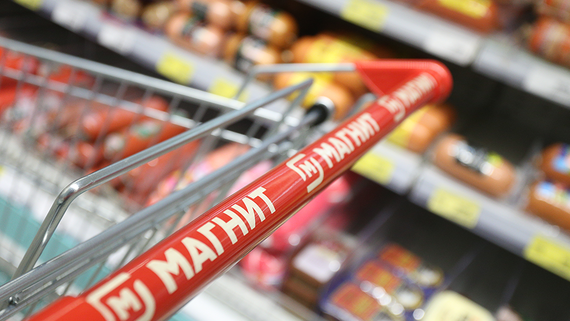
In a significant strategic pivot, Magnit Market has announced its decision to step away from direct competition with Russia’s e-commerce giants Wildberries and Ozon. Instead of pursuing the universal marketplace model that has defined the country’s online retail landscape, the company will focus on developing its platform as an “extended shelf” — a concept that prioritizes complementing its existing retail infrastructure rather than building a standalone digital commerce empire. This decision marks a notable shift in the Russian e-commerce sector and reflects the challenging realities of competing against established market leaders.
Key Takeaways
- Magnit Market will no longer compete directly with Wildberries and Ozon as a universal marketplace, pivoting to complement its 25,000+ physical stores instead
- The extended shelf strategy expands online product variety—sizes, colors, specialty items—without massive logistics infrastructure investments
- This approach mirrors successful hybrid models used by Walmart and Tesco, prioritizing store traffic over standalone e-commerce dominance
- The decision reflects how consolidated Russia’s e-commerce market has become around entrenched players with nationwide fulfillment networks
- Other traditional Russian retailers may follow with similar niche digital strategies rather than challenging marketplace leaders directly
The announcement comes at a time when the Russian e-commerce market has become increasingly consolidated around a handful of dominant players. Wildberries and Ozon have spent years and billions of rubles building vast logistics networks, fulfillment centers, and pickup point infrastructures that span the entire country. For newer entrants or traditional retailers attempting to transition into the digital space, matching this scale of investment has proven extraordinarily difficult. Magnit’s decision acknowledges these market realities and represents a pragmatic approach to digital commerce that leverages the company’s existing strengths rather than attempting to replicate competitors’ business models.
How the Extended Shelf Model Works
The “extended shelf” model represents a fundamentally different approach to e-commerce than the universal marketplace strategy employed by Wildberries and Ozon. Rather than attempting to become a one-stop shop for millions of products across countless categories, Magnit Market will focus on expanding the range of products available to customers beyond what can physically fit on store shelves. This approach allows the company to offer additional sizes, colors, variations, and specialty items that complement its core retail assortment without requiring the massive infrastructure investments associated with running a full-scale marketplace.
This strategy has precedent in global retail. Major international retailers including Walmart and Tesco have successfully implemented similar hybrid models, using their online platforms primarily to enhance their physical store offerings rather than compete directly with pure-play e-commerce companies like Amazon. The extended shelf approach allows traditional retailers to leverage their existing supply chain relationships, brand recognition, and customer loyalty while still providing the convenience of online shopping. For Magnit, which operates thousands of stores across Russia, this model makes particular sense given its established physical presence and logistical capabilities.
Wildberries and Ozon's Dominant Market Position
| Strategy Type | Focus | Infrastructure Needs | Examples |
|---|---|---|---|
| Universal Marketplace | One-stop shop for millions of products | Massive logistics, fulfillment centers, nationwide pickup points | Wildberries, Ozon |
| Extended Shelf | Complement physical store inventory online | Leverages existing retail infrastructure | Magnit Market |
| Hybrid/Niche | Carve specific market segments | Varies by specialization | SberMegaMarket, Yandex Market |
The Russian e-commerce market has experienced explosive growth over the past several years, accelerated significantly by the COVID-19 pandemic and subsequent changes in consumer behavior. Wildberries has emerged as the dominant force, processing hundreds of millions of orders annually and operating an extensive network of pickup points that reaches even remote regions of the country. Ozon, backed by substantial investment and technological innovation, has similarly built a formidable presence with sophisticated fulfillment operations and a diverse product catalog spanning everything from electronics to groceries.
Competing against these entrenched players requires not only significant capital investment but also years of infrastructure development and brand building. Several companies have attempted to challenge Wildberries and Ozon’s dominance with mixed results. Sberbank’s SberMegaMarket, Yandex Market, and various other platforms have carved out niches but none have seriously threatened the market leaders’ positions. Magnit’s decision to pursue the extended shelf strategy rather than engage in direct competition reflects a realistic assessment of the resources and time required to build a competitive universal marketplace from scratch.
Strategic Implications for Magnit and Competitors
For Magnit, one of Russia’s largest food retailers with a network of over 25,000 stores, this strategic shift allows the company to focus on its core competencies while still participating in the digital commerce ecosystem. The extended shelf model enables Magnit to serve customers who prefer online shopping for certain categories while driving traffic to physical stores for everyday purchases. This omnichannel approach has proven successful for grocery retailers worldwide, as food shopping often involves a combination of planned purchases and impulse buying that benefits from both online convenience and in-store experience.
The broader implications of Magnit’s decision may signal a maturation of the Russian e-commerce market, where traditional retailers increasingly recognize the need to find their own digital niches rather than attempting to replicate the marketplace model. As the market continues to evolve, we may see more companies adopting similar hybrid strategies that leverage existing infrastructure and customer relationships while avoiding direct confrontation with the dominant marketplace platforms.
What This Means for Russian Retail
Magnit’s pivot acknowledges a fundamental truth about Russia’s e-commerce sector: the window for building a competitive universal marketplace may have already closed. Wildberries and Ozon spent years and billions of rubles constructing logistics networks that reach remote regions across the country. Replicating this infrastructure from scratch would require capital and time that traditional retailers simply cannot justify when their core business lies elsewhere.
The extended shelf model offers Magnit a lower-risk path to digital relevance. By using online channels to expand product variety rather than compete on fulfillment speed and catalog breadth, the company can drive incremental sales without cannibalizing its profitable store network. Grocery retail, in particular, benefits from this hybrid approach—customers often prefer browsing specialty items online while still visiting stores for everyday purchases.
This strategic retreat may foreshadow broader market segmentation. If other traditional retailers follow Magnit’s lead, Russia’s e-commerce landscape could evolve toward coexistence rather than winner-take-all competition, with specialized platforms serving distinct customer needs alongside the dominant marketplaces.
Common Questions
What is the extended shelf strategy in retail?
Extended shelf refers to using online platforms to offer products that won’t fit in physical stores—additional sizes, colors, variations, and specialty items. It complements rather than replaces brick-and-mortar operations, requiring less infrastructure investment than full-scale e-commerce marketplaces.
Why can't traditional retailers compete with Wildberries and Ozon?
Building a competitive marketplace requires massive capital for fulfillment centers, logistics networks, and pickup points spanning Russia’s vast territory. Wildberries and Ozon spent years developing this infrastructure, creating barriers that traditional retailers cannot easily overcome while maintaining their core business.
How many stores does Magnit operate in Russia?
Magnit operates a network of over 25,000 stores across Russia, making it one of the country’s largest food retailers and giving it substantial physical infrastructure to leverage in its extended shelf approach.
Expert Opinion: Magnit’s strategic retreat from marketplace competition represents a prudent recognition of market realities rather than a defeat. The extended shelf model could prove more sustainable and profitable in the long term, as it minimizes capital expenditure while maximizing synergies with existing retail operations. Industry observers should watch for similar strategic pivots from other traditional retailers, potentially leading to a more segmented e-commerce landscape where specialized platforms coexist with universal marketplaces.