

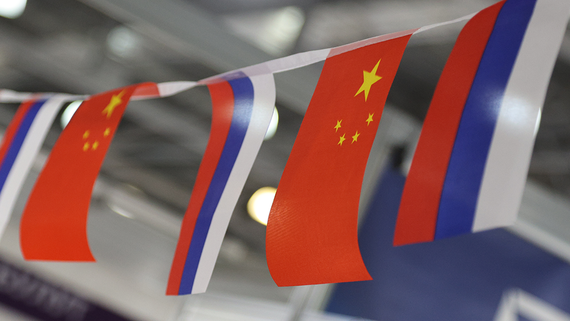
In a significant development for Sino-Russian trade relations, a new certification body is being established to streamline the verification process for Chinese manufacturers seeking to export their products to Russia. This initiative aims to conduct inspections directly at manufacturing facilities in China, dramatically reducing the time and bureaucratic hurdles traditionally associated with obtaining Russian certification. The move comes as both nations seek to strengthen their economic partnership amid shifting global trade dynamics and Western sanctions affecting Russia’s import landscape.
Streamlining the Certification Process
The newly announced certification body represents a fundamental shift in how Chinese products will gain access to Russian markets. Under the traditional system, Chinese manufacturers faced lengthy delays and complex administrative procedures when seeking certification for their goods. The process often required multiple document submissions, remote evaluations, and sometimes physical transportation of samples to Russian testing facilities. This new approach eliminates many of these obstacles by bringing inspectors directly to Chinese production sites, where they can observe manufacturing processes, quality control measures, and safety protocols firsthand.
Industry experts estimate that this on-site verification method could reduce certification timelines from several months to just weeks. For Chinese manufacturers, particularly those in electronics, machinery, automotive parts, and consumer goods sectors, this acceleration means faster market entry and reduced costs associated with prolonged certification procedures. The initiative is expected to be particularly beneficial for small and medium-sized enterprises that previously lacked the resources to navigate Russia’s complex certification requirements.
Historical Context of Sino-Russian Trade Relations
The certification initiative reflects the broader trajectory of Sino-Russian economic cooperation, which has intensified significantly in recent years. Bilateral trade between China and Russia reached record highs in 2024, surpassing $240 billion according to official statistics. This represents a dramatic increase from approximately $147 billion in 2021, demonstrating the rapid expansion of commercial ties between the two nations. China has become Russia’s largest trading partner, supplying everything from automobiles and electronics to industrial equipment and consumer goods.
The acceleration of trade has been driven partly by Russia’s pivot toward Asian markets following Western sanctions imposed after 2022. As European companies withdrew from the Russian market, Chinese manufacturers stepped in to fill supply gaps across numerous sectors. This shift created urgent demand for more efficient certification mechanisms, as the existing infrastructure struggled to process the surge in applications from Chinese exporters. The Russian government has responded by implementing various measures to facilitate imports from friendly nations, with the new certification body representing the latest effort in this direction.
Implications for Both Economies
For the Russian economy, expedited certification of Chinese products addresses critical supply chain vulnerabilities that emerged following the departure of Western brands and manufacturers. Russian consumers and businesses have increasingly turned to Chinese alternatives for automobiles, smartphones, household appliances, and industrial components. However, bottlenecks in the certification process created shortages and delays that frustrated both importers and end consumers. The new system promises to alleviate these pressures by ensuring a steadier flow of certified goods into the Russian market.
Chinese manufacturers stand to gain substantial competitive advantages from this arrangement. Beyond faster market access, the on-site inspection model provides opportunities for direct engagement with Russian certification authorities, enabling manufacturers to better understand and adapt to Russian technical standards and safety requirements. This knowledge transfer could improve product quality and compliance rates while building stronger institutional relationships between Chinese industry and Russian regulatory bodies. Furthermore, the initiative may serve as a template for similar arrangements with other countries seeking to streamline trade with China.
Expert Opinion: This certification initiative signals a structural transformation in Eurasian trade infrastructure that will likely outlast current geopolitical tensions. As Russia diversifies its supply chains away from Western dependence, we can expect similar facilitation mechanisms to emerge across various sectors. However, the long-term success of this arrangement will depend on maintaining rigorous quality standards while achieving efficiency gains—a balance that both governments will need to carefully monitor to ensure consumer safety and market confidence.