

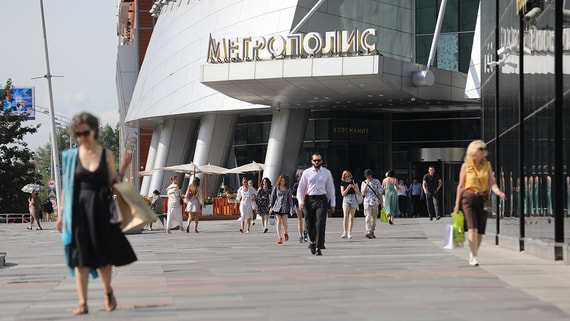
Russian shopping malls have experienced a dramatic decline in foot traffic over the past seven years, losing more than 25% of their visitors. This significant downturn has forced property owners to fundamentally rethink their business strategies and transform their retail spaces to remain competitive in an increasingly challenging market environment. The trend reflects broader shifts in consumer behavior, economic pressures, and the growing dominance of e-commerce platforms that have reshaped the retail landscape across the country.
The Decline of Traditional Retail Spaces
The steady erosion of shopping center attendance began accelerating around 2017 and has continued unabated through various economic cycles. Industry analysts point to multiple factors driving this trend, including the rapid expansion of online shopping platforms such as Wildberries, Ozon, and international marketplaces that offer convenience and competitive pricing. The COVID-19 pandemic further accelerated these changes, as lockdowns and social distancing measures pushed even reluctant consumers toward digital shopping alternatives. Many of these newly converted online shoppers never returned to their pre-pandemic shopping habits, permanently altering the retail ecosystem.
Economic factors have also played a crucial role in diminishing mall traffic. Rising inflation, currency fluctuations, and declining real wages have reduced discretionary spending among Russian consumers. International sanctions imposed following geopolitical events have led to the departure of numerous Western brands that once served as anchor tenants in major shopping centers. Names like IKEA, H&M, Zara, and McDonald’s vacated prime retail locations, leaving significant gaps that local brands have struggled to fill with the same customer-drawing power.
Transformation Strategies and New Business Models
Facing these unprecedented challenges, shopping center owners have been compelled to reinvent their properties. The traditional model of filling space primarily with retail stores has given way to more diverse concepts that emphasize experiences over transactions. Entertainment zones, including cinemas, bowling alleys, escape rooms, and virtual reality attractions, now occupy significantly more floor space than they did a decade ago. Food courts and restaurant clusters have expanded, recognizing that dining experiences remain difficult to replicate online and continue to draw visitors seeking social interaction.
Some property developers have converted portions of their retail space into office areas, coworking spaces, or even residential units. This mixed-use approach helps stabilize revenue streams and ensures consistent foot traffic from workers and residents who may then patronize remaining retail and food establishments. Fitness centers, medical clinics, and educational facilities have become increasingly common tenants, providing essential services that require physical presence. Industry experts suggest that shopping centers must position themselves as community hubs rather than mere retail destinations to survive in the current environment.
Market Outlook and Future Challenges
The transformation of Russian shopping centers reflects a global trend that has affected retail real estate markets from the United States to Europe. However, the Russian market faces unique challenges, including limited access to international investment, reduced availability of global retail brands, and ongoing economic uncertainty. Some analysts predict that up to 30% of existing shopping center space may need to be repurposed or demolished over the coming decade if current trends continue. Older, less well-located properties are particularly vulnerable, while modern centers in prime locations with strong transportation links maintain relatively stable performance.
Regional disparities have also emerged, with Moscow and St. Petersburg shopping centers proving more resilient than those in smaller cities where consumer spending power is lower and online delivery infrastructure has improved dramatically. Property owners who successfully adapt their concepts and attract new categories of tenants may emerge stronger, while those who cling to outdated retail-focused models face an increasingly difficult future. The Russian shopping center industry stands at a crossroads, with the decisions made in the coming years likely to determine which properties survive and which become casualties of the retail revolution.
Expert Opinion: The ongoing transformation of Russian shopping centers represents an irreversible structural shift rather than a cyclical downturn. Properties that successfully pivot toward experience-driven concepts, integrating entertainment, services, and community spaces, will capture the remaining foot traffic and potentially thrive. However, we anticipate continued consolidation in the sector, with weaker assets being repurposed entirely while premium locations evolve into hybrid destinations that bear little resemblance to traditional retail malls.