

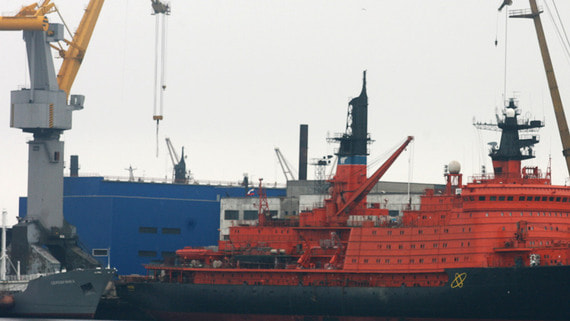
In a significant shift in funding strategy, Russia has announced plans to finance the completion of its nuclear-powered icebreaker fleet using revenue collected from port fees. This decision comes as construction costs for these massive vessels have surged by more than 50 percent above original estimates, creating a substantial budget shortfall that requires creative financial solutions. The move highlights both the strategic importance Russia places on its Arctic ambitions and the economic challenges facing major infrastructure projects in the current environment.
Rising Costs Strain Original Budget Allocations
The dramatic cost increases affecting Russia’s nuclear icebreaker program reflect broader trends in global shipbuilding and heavy industry. Supply chain disruptions, rising material costs, and inflation have all contributed to budget overruns that have plagued construction projects worldwide. For Russia’s icebreaker fleet, these challenges are compounded by the technical complexity of building nuclear-powered vessels, which require specialized components and highly skilled labor that are increasingly expensive to secure.
The decision to redirect port fee revenues represents a pragmatic approach to maintaining momentum on projects deemed essential to national interests. Russian ports collect substantial fees from commercial vessels using their facilities, and channeling a portion of these funds toward icebreaker construction ensures that the program can continue without requiring direct budgetary allocations that might compete with other government priorities. Industry analysts estimate that the additional funding required could amount to tens of billions of rubles over the remaining construction period.
Strategic Importance of Arctic Shipping Routes
Russia’s investment in nuclear icebreakers is directly tied to its ambitions for the Northern Sea Route, a shipping corridor along the country’s Arctic coastline that offers significantly shorter transit times between Europe and Asia compared to traditional routes through the Suez Canal. As climate change reduces ice coverage in Arctic waters, this route is becoming increasingly viable for commercial shipping, potentially transforming global trade patterns. Nuclear icebreakers are essential for keeping these waters navigable year-round and for escorting commercial vessels through ice-covered sections.
The current generation of Project 22220 icebreakers, also known as the Arktika class, represents the most powerful nuclear icebreakers ever constructed. These vessels can break through ice up to three meters thick and are designed to operate in both Arctic seas and river estuaries, making them versatile assets for Russia’s northern development strategy. The lead ship, Arktika, entered service in 2020, with sister ships Sibir and Ural following in subsequent years. Additional vessels remain under construction at the Baltic Shipyard in Saint Petersburg.
Historical Context and Future Outlook
Russia has a long history of pioneering nuclear icebreaker technology, dating back to the Soviet era when the Lenin became the world’s first nuclear-powered surface vessel in 1959. This technological leadership has given Russia unmatched capabilities in Arctic navigation, supporting both military and commercial activities in some of the world’s most challenging maritime environments. The current construction program aims to maintain this advantage as older vessels reach the end of their operational lives and as demand for Arctic shipping capacity grows.
The funding mechanism through port fees creates an indirect link between Russia’s broader maritime economy and its Arctic development strategy. Commercial shipping operators using Russian ports will effectively contribute to the nation’s polar capabilities, creating a self-sustaining financial model that reduces dependence on direct government subsidies. This approach may serve as a template for funding other major infrastructure projects where traditional budget allocations prove insufficient. As global interest in Arctic resources and shipping routes continues to intensify, Russia’s commitment to maintaining the world’s largest icebreaker fleet signals its determination to remain the dominant power in polar waters.
Expert Opinion: The decision to fund icebreaker construction through port fees demonstrates Russia’s strategic prioritization of Arctic infrastructure despite fiscal constraints. This creative financing approach could accelerate completion timelines, but it also transfers costs to commercial shipping operators, potentially affecting Russia’s competitiveness as a transit hub. Long-term, the viability of this funding model will depend heavily on growth in Northern Sea Route traffic, which remains uncertain despite optimistic projections.