

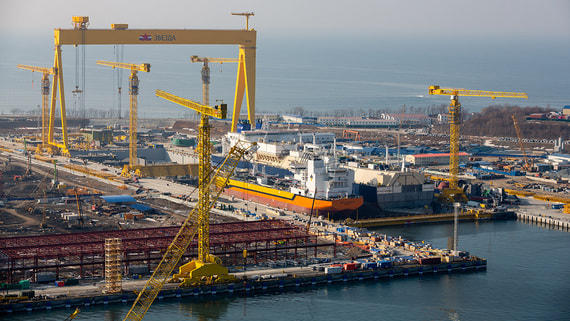
Russia faces an ambitious maritime deadline as domestic companies require a minimum of 52 ice-class vessels to be delivered by 2030, according to industry analysts. This substantial fleet expansion is deemed critical for maintaining and expanding operations along the Northern Sea Route, one of the world’s most strategically important Arctic shipping corridors. However, experts warn that achieving this target will necessitate engaging foreign shipyards and significantly improving inter-factory logistics coordination within the Russian shipbuilding industry.
The demand for ice-class vessels reflects Russia’s growing focus on Arctic resource extraction and the increasing commercial viability of the Northern Sea Route as global shipping patterns evolve. With climate change gradually extending the navigable season in Arctic waters, the strategic importance of having a robust fleet capable of operating in extreme polar conditions has never been more pronounced. The current Russian fleet, while substantial, is aging and insufficient to meet the projected cargo transportation needs expected by the end of the decade.
The Scale of the Challenge
The requirement for 52 new ice-class vessels represents one of the most significant shipbuilding programs Russia has undertaken in recent decades. Ice-class ships are specialized vessels designed with reinforced hulls, powerful propulsion systems, and unique bow configurations that allow them to navigate through sea ice of varying thickness. These vessels are considerably more expensive and technically complex to construct than conventional cargo ships, requiring specialized expertise and manufacturing capabilities that are concentrated in only a handful of shipyards worldwide.
Russian shipbuilding capacity has been under considerable strain in recent years, with domestic yards already working on numerous military and civilian projects. The United Shipbuilding Corporation, Russia’s largest shipbuilding conglomerate, operates multiple facilities across the country, but the combined output has struggled to keep pace with demand. Industry observers note that even under optimal conditions, Russian yards alone cannot produce 52 ice-class vessels within the five-year timeframe without substantial assistance from international partners.
International Cooperation and Logistical Solutions
Experts suggest that meeting the 2030 deadline will require a multi-faceted approach combining domestic production with foreign shipyard engagement. Historically, Russia has collaborated with South Korean, Chinese, and Finnish shipbuilders for complex vessel projects. South Korea’s Daewoo Shipbuilding and Samsung Heavy Industries have previously constructed ice-class tankers for Russian energy projects, demonstrating the viability of international partnerships in this specialized sector. China’s rapidly expanding shipbuilding industry also presents potential collaboration opportunities, particularly given the country’s own Arctic ambitions.
Beyond international cooperation, industry analysts emphasize the critical need for improved inter-factory logistics within Russia. The fragmented nature of the domestic shipbuilding supply chain has long been identified as a bottleneck, with component manufacturers, steel suppliers, and assembly yards often operating in isolation rather than as an integrated network. Developing more efficient coordination between these facilities could significantly accelerate production timelines and reduce costs, making domestic construction more competitive with foreign alternatives.
Strategic Implications for Arctic Development
The push for ice-class vessels is intrinsically linked to Russia’s broader Arctic development strategy, which envisions dramatically increased cargo traffic along the Northern Sea Route. Government projections have called for annual cargo volumes to reach 80 million tons or more by 2030, requiring a fleet capable of year-round operations in harsh polar conditions. The route offers significant advantages for shipping between Europe and Asia, potentially reducing transit times by up to two weeks compared to traditional passages through the Suez Canal.
Major energy projects in the Russian Arctic, including liquefied natural gas facilities on the Yamal Peninsula and oil extraction operations in the Kara Sea region, depend heavily on reliable maritime transportation. Without adequate ice-class vessel capacity, these multi-billion dollar investments risk underperformance, threatening both corporate revenues and government tax receipts. The urgency of the situation has elevated shipbuilding capacity to a matter of national economic security, prompting increased attention from the highest levels of Russian government.
Expert Opinion: The 52-vessel target represents a realistic assessment of minimum requirements rather than an aspirational goal, suggesting actual needs may be even higher. Success will likely depend on Russia’s ability to secure reliable international partnerships amid ongoing geopolitical tensions, while simultaneously modernizing domestic shipyard infrastructure. The coming years will prove decisive in determining whether Russia can maintain its position as the dominant Arctic maritime power or cede ground to competitors investing heavily in polar-capable fleets.