

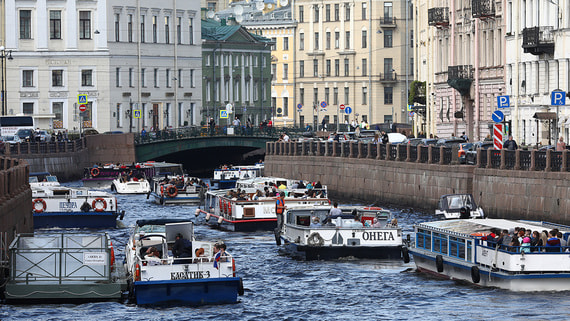
Russian citizens are traveling within their own country less frequently than in previous years, with economic pressures and uncertainty driving a notable shift in vacation habits. According to recent industry data, more Russians are choosing to save money rather than embark on domestic trips, and those who do travel are making their decisions at the last possible moment. This trend marks a significant departure from the travel patterns observed in recent years and raises important questions about the future of Russia’s tourism industry.
Economic Pressures Drive Shift in Travel Behavior
The primary factor behind declining domestic travel appears to be financial constraint. With inflation affecting household budgets and economic uncertainty persisting, many Russian families are prioritizing essential expenses over leisure activities. Consumer confidence has been affected by various economic factors, including currency fluctuations, rising prices for goods and services, and concerns about job security in certain sectors. Travel industry analysts note that discretionary spending on vacations is typically among the first budget categories to be cut when households face financial pressure.
The tendency to make last-minute travel decisions reflects this cautious approach to spending. Rather than planning and booking trips months in advance, Russians are increasingly waiting until they have a clearer picture of their financial situation before committing to travel expenses. This shift has created challenges for hotels, tour operators, and transportation companies that rely on advance bookings to manage capacity and pricing strategies. Industry experts suggest that this behavior pattern indicates a fundamental change in how Russian consumers approach leisure spending.
Historical Context and Industry Impact
Russia’s domestic tourism sector had experienced significant growth in recent years, particularly following restrictions on international travel. Popular destinations such as the Black Sea coast, Crimea, and various cultural centers across the country saw increased visitor numbers as Russians explored domestic alternatives to foreign vacations. The government had also promoted domestic tourism through various initiatives and infrastructure investments, viewing it as both an economic driver and a way to reduce capital outflows associated with international travel.
The current downturn represents a reversal of these gains and poses challenges for businesses that had invested in expanding their tourism offerings. Hotels and resorts that had anticipated continued growth in domestic travel are now facing lower occupancy rates and reduced revenue. Tour operators report declining bookings, while transportation companies note decreased demand for leisure travel. The ripple effects extend to restaurants, entertainment venues, and local economies in tourist destinations that had come to depend on visitor spending.
Regional Variations and Future Outlook
The impact of reduced travel is not uniform across Russia’s vast territory. Some regions that offer more affordable vacation options or are easily accessible from major population centers continue to attract visitors, while more expensive or remote destinations have seen sharper declines. Day trips and short weekend getaways appear to be replacing longer vacations for many families, as these options require less financial commitment and advance planning. Urban tourism to cities like Moscow and St. Petersburg has shown somewhat more resilience, as these trips often combine leisure with other purposes such as visiting family or conducting business.
Looking ahead, tourism industry representatives are calling for government support and creative solutions to stimulate domestic travel demand. Some operators have introduced more flexible booking policies and payment plans to address consumer hesitation. Others are developing budget-friendly travel packages designed to attract price-sensitive customers. However, industry experts caution that a sustained recovery in domestic tourism will ultimately depend on broader improvements in economic conditions and consumer confidence. Until Russian households feel more secure about their financial futures, travel is likely to remain a lower priority in household budgets.
Expert Opinion: The decline in Russian domestic travel reflects deeper structural shifts in consumer behavior rather than a temporary seasonal fluctuation. Tourism economists predict that the industry will need to adapt to a “new normal” of shorter planning horizons and more price-sensitive travelers. Companies that successfully implement dynamic pricing models and flexible booking options will be best positioned to capture demand when economic conditions eventually stabilize.