

Russia has expanded its fleet of liquefied natural gas (LNG) carriers registered under the Russian flag to 19 vessels, marking a significant development in the country’s efforts to maintain control over its energy export infrastructure amid mounting international sanctions. This strategic move provides these vessels with enhanced legal protection during transit through international waters, according to industry experts who closely monitor maritime energy transportation.
The expansion of Russia’s nationally-flagged LNG fleet represents a calculated response to the increasingly complex geopolitical landscape that has emerged since 2022. By registering these specialized tankers under the Russian flag, Moscow aims to shield its critical energy transportation assets from potential seizure or detention in foreign ports. This legal framework becomes particularly important as Western nations continue to tighten restrictions on Russian energy exports and the vessels that carry them.
Strategic Importance of Flag Registration
The decision to fly the Russian flag on LNG carriers carries substantial legal implications in international maritime law. Vessels registered under a nation’s flag are considered sovereign territory of that country, which provides them with diplomatic protections that foreign-flagged ships do not enjoy. This means that attempts to detain or seize these vessels in international waters or even in some foreign ports could be interpreted as actions against Russian state property, potentially escalating diplomatic tensions significantly.
Historically, Russia relied heavily on foreign-flagged vessels and international shipping companies to transport its LNG exports to global markets. However, the imposition of comprehensive Western sanctions has disrupted these traditional arrangements, forcing Moscow to develop its own maritime infrastructure. The current fleet of 19 Russian-flagged LNG carriers represents a dramatic shift from just a few years ago, when the majority of Russian LNG was transported on ships registered in countries like Cyprus, Malta, or the Marshall Islands.
Russia’s LNG Industry Under Pressure
Russia is one of the world’s largest producers of liquefied natural gas, with major projects including Yamal LNG and the newer Arctic LNG 2 facility. These massive industrial complexes, located in the harsh conditions of Russia’s Far North, require specialized ice-class tankers capable of navigating through frozen Arctic waters. The development of a domestically-flagged fleet is therefore not merely a legal strategy but also a practical necessity for ensuring the continued operation of these strategically important energy projects.
The challenges facing Russia’s LNG sector have intensified considerably since Western sanctions began targeting not only the gas itself but also the sophisticated technology and equipment needed for liquefaction processes. Several international partners have withdrawn from Russian LNG projects, and insurance companies from Western nations have become increasingly reluctant to provide coverage for vessels involved in transporting Russian energy products. This has created what industry analysts describe as a parallel shipping ecosystem, with Russian-controlled vessels operating outside traditional Western financial and insurance frameworks.
Global Market Implications and Future Outlook
The growth of Russia’s national LNG fleet has significant implications for global energy markets. Despite sanctions, Russian LNG continues to find buyers in Asia and even in some European countries, where it arrives through various intermediary arrangements. The 19 vessels now flying the Russian flag represent a substantial carrying capacity, capable of maintaining significant export volumes even as Western pressure mounts. Industry observers note that Russia has also been acquiring older tankers through opaque ownership structures, similar to the “shadow fleet” that has emerged for crude oil transportation.
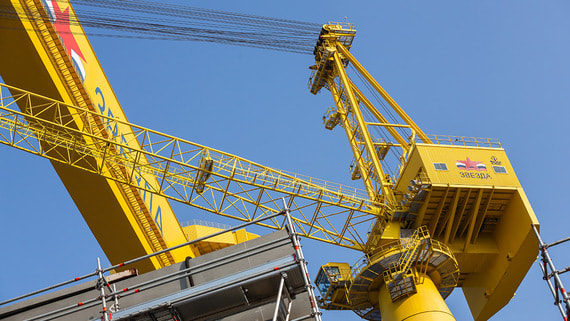
Looking ahead, analysts expect Russia to continue expanding its nationally-flagged LNG carrier fleet as it seeks to maintain its position as a major player in global energy markets. The country’s shipbuilding industry, particularly the Zvezda shipyard in the Far East, has been tasked with constructing new ice-class LNG carriers, though progress has been slower than initially planned due to difficulties accessing foreign components and technology. Nevertheless, the current fleet of 19 vessels demonstrates Russia’s determination to preserve its energy export capabilities despite unprecedented international pressure.
Expert Opinion: The expansion of Russia’s domestically-flagged LNG fleet to 19 vessels signals a long-term strategic commitment to maintaining energy export independence regardless of Western sanctions. This development suggests that Russia is prepared to operate largely outside the traditional global shipping and insurance frameworks, potentially creating a permanent bifurcation in international maritime energy transportation that could persist well beyond the current geopolitical tensions.