

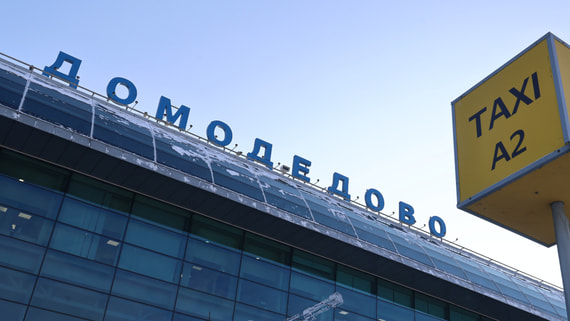
In a significant development for Russia’s aviation industry, Vnukovo International Airport is set to purchase Sheremetyevo Airport’s stake in Domodedovo Airport, marking a major restructuring move among Moscow’s three primary air hubs. According to industry sources, this strategic transaction is designed to simplify Domodedovo’s debt servicing obligations and optimize operational relationships with suppliers, potentially reshaping the competitive landscape of Russian civil aviation.
The deal represents a notable shift in the ownership dynamics of Moscow’s airport infrastructure, which collectively handles tens of millions of passengers annually. The Moscow Aviation Cluster, comprising Sheremetyevo, Domodedovo, and Vnukovo, serves as the primary gateway for both domestic and international air travel in Russia, making any ownership changes particularly consequential for the broader transportation sector.
Strategic Rationale Behind the Acquisition
The primary motivation behind this acquisition appears to be financial optimization. Domodedovo Airport, like many major infrastructure projects, carries substantial debt obligations that require careful management. By consolidating ownership under Vnukovo’s umbrella, the restructuring is expected to streamline debt servicing processes and create more efficient financial structures. Industry analysts suggest that unified ownership could lead to better negotiating positions with creditors and more favorable refinancing terms.
Additionally, the deal promises to optimize relationships with suppliers and service providers. Airport operations require extensive networks of vendors for everything from fuel supply and ground handling to retail concessions and maintenance services. A consolidated ownership structure could potentially leverage economies of scale, reduce administrative overhead, and create more standardized procurement processes across facilities.
Historical Context of Moscow’s Airport System
Moscow’s three major airports have undergone significant transformations since the Soviet era. Sheremetyevo, originally built in 1959 as a military airfield before conversion to civilian use, has traditionally served as the flagship international gateway. Domodedovo, located south of Moscow, emerged as a major competitor in the post-Soviet period and became particularly popular with international carriers seeking alternatives to the crowded Sheremetyevo. Vnukovo, the oldest of the three, has historically focused more on domestic routes and government aviation.
The ownership structures of these airports have evolved considerably over the past three decades. Following privatization efforts in the 1990s and 2000s, various domestic and international investors acquired stakes in these strategic assets. However, recent years have seen a trend toward consolidation and greater state influence in critical infrastructure, reflecting broader patterns in Russia’s approach to strategic industries.
Implications for Passengers and Airlines
For travelers and airlines operating through Moscow, the ownership change could bring both opportunities and challenges. Proponents of consolidation argue that unified management could lead to better coordination of flight schedules, reduced competition for the same routes, and potentially more integrated ground transportation options between airports. Some industry observers suggest that standardized service levels and pricing structures could emerge over time.
However, critics of airport consolidation typically warn that reduced competition might lead to higher fees for airlines and ultimately passengers. The balance between operational efficiency and competitive pricing will likely be a key consideration as the new ownership structure takes shape. Airlines operating in the Russian market will be watching closely to see how the restructuring affects landing fees, slot allocation, and service quality.
Future Outlook for Russian Aviation Infrastructure
This transaction occurs against the backdrop of significant challenges facing Russian aviation, including international sanctions, supply chain disruptions, and reduced international connectivity. The restructuring may represent an attempt to strengthen domestic airport infrastructure during a period of industry turbulence. By optimizing financial structures and operational relationships, the consolidated entities may be better positioned to weather ongoing economic pressures and invest in necessary infrastructure improvements.
The deal also reflects a broader global trend of airport consolidation, where major hub operators increasingly seek to expand their portfolios to achieve greater market influence and operational synergies. Whether this particular restructuring will achieve its stated goals of debt optimization and supplier management improvements remains to be seen, but it undoubtedly represents a pivotal moment in the evolution of Moscow’s aviation landscape.
Expert Opinion: This consolidation signals a strategic pivot toward centralized control of Moscow’s critical aviation infrastructure, likely driven by both financial pressures and the need for operational resilience amid ongoing economic challenges. The success of this restructuring will largely depend on whether management can balance efficiency gains with maintaining competitive service levels. Long-term, we may see further integration moves across Russian regional airports following this precedent.